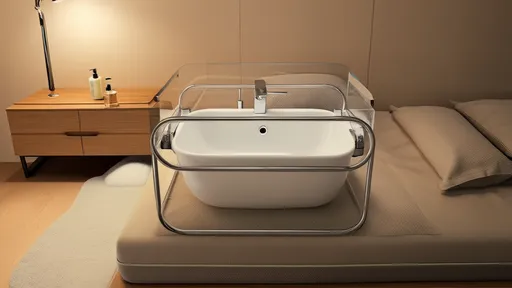
The healthcare industry is constantly evolving, with innovations aimed at improving patient comfort and caregiver efficiency. One such area of focus is the adaptation of existing equipment to better serve bedridden patients. The modification of traditional washbasins into specialized hair-washing sinks for bedridden individuals has emerged as a practical solution that addresses a fundamental yet often overlooked aspect of patient care.
Understanding the Need for Specialized Equipment
For patients confined to their beds due to illness, injury, or post-surgical recovery, maintaining personal hygiene can be challenging. Traditional hair washing methods often involve cumbersome processes that may require multiple caregivers and cause discomfort to the patient. The standard washbasins found in healthcare facilities are typically designed for ambulatory patients, making them unsuitable for bedridden individuals. This gap in equipment design has led to the development of modified washbasins specifically tailored for hair washing in bedridden patients.
The transformation of conventional sinks into specialized units involves several key modifications. The most significant change is the incorporation of an extended drainage system that allows the basin to be positioned directly beneath the patient's head while they remain in bed. This design eliminates the need to move the patient, reducing physical strain on both the caregiver and the individual receiving care. Additionally, these modified basins often feature contoured edges that better accommodate the neck and shoulders, providing enhanced comfort during the washing process.
Technical Considerations in Basin Modification
Engineers and healthcare professionals collaborating on these modifications must address several technical challenges. Water containment is a primary concern, as spills can create safety hazards and increase infection risks. The redesigned basins typically incorporate higher side walls and more effective sealing mechanisms compared to standard models. Some versions include integrated splash guards or flexible extensions that can be adjusted based on the patient's position.
Temperature regulation is another critical factor in these specialized basins. Many modified units now include built-in thermostatic controls that maintain water at optimal temperatures, preventing scalding or discomfort. This feature is particularly important for patients with reduced sensitivity or those unable to communicate temperature-related discomfort effectively. The integration of handheld sprayers with adjustable pressure settings further enhances the washing experience, allowing caregivers to customize the process according to individual needs.
Material Selection and Hygiene Maintenance
The choice of materials for these modified basins significantly impacts their functionality and longevity. Healthcare-grade polymers that resist bacterial growth and are easy to disinfect have become the material of choice. Many manufacturers now use antimicrobial additives in the plastic compounds to provide an additional layer of protection against pathogens. The surfaces are designed to be smooth and non-porous, preventing the accumulation of hair, soap residue, or other contaminants that could harbor microorganisms.
Cleaning and maintenance protocols for these specialized basins differ from standard sinks. The modified designs often incorporate features that facilitate thorough cleaning, such as removable components and fewer hard-to-reach areas. Some models include self-cleaning functions that circulate disinfectant solutions through the system, ensuring all surfaces are properly sanitized between uses. These features are particularly valuable in busy healthcare settings where time constraints might otherwise compromise cleaning thoroughness.
Ergonomic Benefits for Caregivers
The impact of these basin modifications extends beyond patient comfort to significantly improve working conditions for healthcare providers. Traditional hair washing methods for bedridden patients often require caregivers to maintain awkward postures for extended periods, increasing the risk of musculoskeletal injuries. The redesigned basins allow for more natural positioning during the washing process, reducing physical strain on the caregiver's back, shoulders, and wrists.
Time efficiency is another notable advantage. The streamlined process enabled by these specialized basins can reduce the time required for hair washing by as much as 40%, according to some studies. This time savings allows caregivers to attend to more patients or dedicate additional time to other aspects of care. The reduced physical demands and increased efficiency contribute to improved job satisfaction and decreased burnout rates among nursing staff.
Patient-Centered Design Innovations
Recent advancements in these modified basins have focused increasingly on patient experience. Some newer models incorporate features like padded neck supports and adjustable headrests that can be customized to individual comfort preferences. Lighting elements have been integrated into certain designs to improve visibility for caregivers while avoiding harsh glare that might discomfort patients. A few high-end versions even include massage functions or water jets designed to provide a soothing scalp massage during the washing process.
Psychological considerations have also influenced design evolution. The development of quieter water circulation systems helps create a more calming environment, particularly important for patients who may find the noise of traditional hair washing stressful. Some facilities have reported that these enhanced washing experiences contribute to improved patient morale and overall satisfaction with their care.
Implementation Challenges and Solutions
Despite their benefits, the adoption of modified hair-washing basins in healthcare facilities has faced some obstacles. Cost considerations represent a significant barrier, as these specialized units typically carry a higher price tag than standard sinks. However, many institutions have found that the long-term benefits in terms of reduced caregiver injuries, improved efficiency, and enhanced patient outcomes justify the initial investment.
Space constraints in patient rooms present another challenge. Manufacturers have responded by developing collapsible or modular designs that can be stored compactly when not in use. Some innovative models even integrate with existing hospital bed frames, eliminating the need for additional floor space. These space-saving solutions have made the technology more accessible to facilities with limited room for additional equipment.
Future Directions in Basin Technology
The future of bedridden hair-washing basin technology appears promising, with several exciting developments on the horizon. Smart sensors that monitor water temperature, flow rate, and even shampoo usage are being tested in prototype models. These systems could provide real-time feedback to caregivers and automatically adjust settings for optimal comfort and safety. Some researchers are exploring the integration of water recycling systems that would make the process more environmentally sustainable by reducing water consumption.
Another emerging trend is the personalization of these systems through digital interfaces. Future models might allow patients to control certain aspects of their hair washing experience through simple touch panels or voice commands, giving them more autonomy in their care. This development aligns with broader movements in healthcare toward patient empowerment and personalized treatment approaches.
As awareness grows about the importance of dignified, comfortable hygiene care for bedridden patients, the demand for specialized equipment like modified hair-washing basins will likely increase. The ongoing collaboration between healthcare professionals, engineers, and designers promises to yield even more innovative solutions in the years to come, further enhancing the quality of care for some of healthcare's most vulnerable recipients.

By /Aug 6, 2025

By /Aug 6, 2025

By /Aug 6, 2025

By /Aug 6, 2025

By /Aug 6, 2025

By /Aug 6, 2025

By /Aug 6, 2025
By /Aug 6, 2025

By /Aug 6, 2025
By /Aug 6, 2025

By /Aug 6, 2025

By /Aug 6, 2025

By /Aug 6, 2025

By /Aug 6, 2025

By /Aug 6, 2025
By /Aug 6, 2025
By /Aug 6, 2025

By /Aug 6, 2025

By /Aug 6, 2025
By /Aug 6, 2025
