The distinct smell of chlorine around swimming pools often evokes a sense of cleanliness and safety. However, many people are unaware that this strong chemical odor is not actually a sign of well-maintained water, but rather an indicator of potential issues in pool sanitation. Understanding the relationship between chlorine and pool odors can help swimmers and facility managers create a healthier aquatic environment.
Contrary to popular belief, the familiar "chlorine smell" doesn't come from chlorine itself working properly. When chlorine effectively sanitizes pool water, it does so without producing strong odors. The potent chemical scent we associate with swimming pools actually results from chloramines - compounds formed when chlorine combines with contaminants like sweat, urine, and body oils brought in by swimmers. These chloramines not only create unpleasant odors but can also irritate eyes, skin, and respiratory systems.
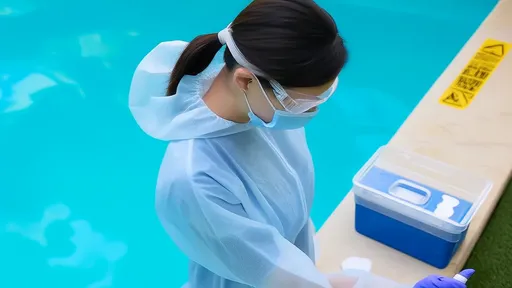
Proper pool maintenance requires maintaining the right chlorine balance while minimizing chloramine formation. Free chlorine, the active sanitizing form, should be present in sufficient quantities to destroy harmful microorganisms without creating excessive chemical byproducts. Pool operators must regularly test and adjust chlorine levels, keeping in mind that more chlorine isn't necessarily better - it's about maintaining the correct equilibrium.
The relationship between pH and chlorine effectiveness plays a crucial role in odor control. When pool water becomes too acidic or alkaline, chlorine's sanitizing power diminishes dramatically. At ideal pH levels between 7.2 and 7.8, chlorine works most efficiently, requiring smaller amounts to achieve proper disinfection. This balanced approach reduces chemical odors while maintaining water safety. Regular pH testing and adjustment should be part of every pool's maintenance routine.
Swimmer hygiene significantly impacts chlorine demand and odor production. Each swimmer introduces various organic compounds into the water, from sweat and skin cells to cosmetics and hair products. These substances consume free chlorine as they break down, leading to more chloramine formation. Encouraging thorough pre-swim showers and proper swimwear cleaning can dramatically reduce the chemical load in pool water, resulting in less chlorine needed and fewer unpleasant odors.
Ventilation is often overlooked in indoor pool facilities, yet it's essential for managing chlorine-related odors. Even well-maintained pools will produce some chloramines, and without adequate air circulation, these compounds accumulate in the indoor environment. Modern pool facilities incorporate advanced ventilation systems that continuously replace stale air while maintaining comfortable humidity levels. For existing facilities without such systems, strategic placement of fans and periodic opening of windows can improve air quality.
The type of chlorine used affects odor production in subtle but important ways. Traditional chlorine compounds like calcium hypochlorite or sodium hypochlorite (liquid bleach) tend to produce more noticeable odors than newer stabilized chlorine products or alternative sanitizing systems. Some facilities have successfully combined chlorine with supplementary systems like UV light or ozone treatment, which can reduce overall chlorine requirements while maintaining water quality.
Regular shocking or superchlorination remains a critical practice for odor control. This process involves temporarily raising chlorine levels to break down accumulated chloramines and other organic contaminants. While effective, it must be done carefully to avoid creating other water quality issues. Many facilities now use non-chlorine shock oxidizers that accomplish similar results without the dramatic chlorine spike, often resulting in more pleasant swimming conditions.
Education plays a vital role in changing perceptions about pool odors. Many swimmers mistakenly believe strong chemical smells indicate cleanliness, when the opposite is often true. Clear signage explaining proper pool hygiene and the realities of chlorine chemistry can help create a more informed swimming public. Facility operators should view odor complaints not as nuisances but as valuable feedback about their water maintenance practices.
Emerging technologies continue to transform pool sanitation and odor management. From advanced oxidation processes to computerized chemical monitoring systems, modern solutions allow for precise control of water chemistry with minimal odor production. While these systems require investment, they often pay for themselves through reduced chemical costs and improved swimmer satisfaction. The future of pool management lies in balancing effective disinfection with creating pleasant aquatic environments.
Ultimately, the goal isn't to eliminate all chlorine odor - some minimal scent is inevitable in chlorinated pools - but to achieve that delicate balance where the water is properly sanitized without causing discomfort. Through proper maintenance, swimmer education, and smart use of technology, facilities can provide safe, enjoyable swimming experiences free from the harsh chemical smells many have come to associate with pool environments.

By /Aug 6, 2025

By /Aug 6, 2025

By /Aug 6, 2025

By /Aug 6, 2025

By /Aug 6, 2025

By /Aug 6, 2025

By /Aug 6, 2025

By /Aug 6, 2025

By /Aug 6, 2025
By /Aug 6, 2025

By /Aug 6, 2025

By /Aug 6, 2025

By /Aug 6, 2025

By /Aug 6, 2025

By /Aug 6, 2025

By /Aug 6, 2025
By /Aug 6, 2025

By /Aug 6, 2025

By /Aug 6, 2025

By /Aug 6, 2025
