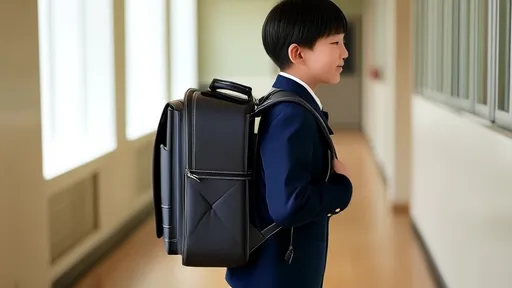
In recent years, the weight of school backpacks has become a growing concern among parents, educators, and health professionals. Heavy backpacks not only cause discomfort but can also lead to long-term musculoskeletal problems in children. The way students carry their backpacks plays a crucial role in mitigating these issues. Proper weight distribution and ergonomic design are essential to ensure that young learners can carry their essentials without straining their developing bodies.
The Science Behind Backpack-Related Strain
Research indicates that carrying a backpack weighing more than 10-15% of a child's body weight can lead to poor posture, back pain, and even spinal misalignment. Many students, however, routinely carry loads far exceeding this recommended limit. The strain is exacerbated when backpacks are worn incorrectly—slung over one shoulder or hanging too low on the back. This uneven distribution forces certain muscles to overcompensate, leading to fatigue and potential injury over time.
Parents and teachers often overlook the subtle signs of backpack-related stress. Complaints of sore shoulders or tingling arms should not be dismissed as mere growing pains. Instead, they may signal the need for immediate adjustments in how a child carries their school supplies. Addressing these issues early can prevent chronic conditions that might otherwise persist into adulthood.
Ergonomic Solutions for Lighter Loads
One effective approach to reducing backpack strain is selecting the right bag. A well-designed backpack should have padded, adjustable shoulder straps and a waist belt to help distribute weight evenly across the body. Multiple compartments can also help by organizing items closer to the child's center of gravity, preventing the bag from pulling backward. Additionally, rolling backpacks have gained popularity as an alternative for students with particularly heavy loads, though they may not be practical in all school environments.
Beyond the backpack itself, teaching students proper packing techniques is equally important. Heavier items like textbooks should be placed closest to the back, while lighter items can fill the outer pockets. Encouraging students to regularly clean out unnecessary items can also lighten the load significantly. Schools can contribute by providing lockers or digital resources to reduce the need for carrying heavy books daily.
The Role of Posture and Carrying Habits
Even with the right backpack, improper carrying habits can negate its benefits. Students should be encouraged to wear both shoulder straps at all times, adjusting them so the bag sits snugly against the upper back. The bottom of the backpack should ideally rest just above the waist, not sagging toward the hips. When lifting the bag, bending at the knees rather than the waist can prevent sudden strain on the lower back.
Simple exercises to strengthen core and back muscles can also help students better manage their loads. Stretching routines incorporated into the school day might improve flexibility and reduce the risk of injury. These small but consistent practices can make a substantial difference in a child's comfort and long-term spinal health.
Community and Policy-Level Changes
While individual adjustments are valuable, broader changes at the school and policy levels could amplify the impact. Some schools have experimented with textbook rental programs or tablet-based learning to minimize physical loads. Others have implemented "backpack-free" days or designated times for locker visits. Advocacy for lighter, more ergonomic school supplies could also prompt manufacturers to prioritize student health in their designs.
Public awareness campaigns highlighting the risks of heavy backpacks might encourage more parents to take action. Pediatricians and physical therapists could play a pivotal role by screening for backpack-related issues during routine check-ups. A collaborative effort between families, schools, and healthcare providers may be the most effective way to address this widespread but often overlooked problem.
Ultimately, reducing the physical burden of school backpacks requires a multifaceted approach. From choosing the right gear to fostering better habits, each small step contributes to safeguarding children's health. As awareness grows, so does the potential for meaningful change in how students carry the weight of their education—literally and figuratively.

By /Aug 6, 2025

By /Aug 6, 2025

By /Aug 6, 2025

By /Aug 6, 2025

By /Aug 6, 2025

By /Aug 6, 2025
By /Aug 6, 2025

By /Aug 6, 2025

By /Aug 6, 2025

By /Aug 6, 2025

By /Aug 6, 2025

By /Aug 6, 2025

By /Aug 6, 2025

By /Aug 6, 2025

By /Aug 6, 2025

By /Aug 6, 2025

By /Aug 6, 2025
By /Aug 6, 2025
By /Aug 6, 2025

By /Aug 6, 2025
