The sensation of ear pressure during airplane descent is a common discomfort experienced by many travelers. As the aircraft begins its approach, the rapid change in altitude causes a shift in air pressure that can leave passengers with blocked ears, pain, or even temporary hearing loss. While this phenomenon is typically harmless, understanding how to alleviate ear pressure can significantly improve the flying experience.
Why Ear Pressure Occurs During Descent
The human ear is designed to maintain equilibrium between internal and external pressure. The Eustachian tube, a small passage connecting the middle ear to the back of the throat, plays a crucial role in this process. During a flight, as the plane descends, the cabin pressure increases while the air inside the middle ear remains at a lower pressure. This imbalance creates a vacuum effect, causing the eardrum to retract inward and leading to that familiar stuffed or painful sensation.
For some individuals, particularly those with allergies, colds, or sinus infections, the Eustachian tube may not open as easily, making pressure equalization more difficult. Children are especially prone to this discomfort because their Eustachian tubes are narrower and more horizontal than those of adults. Without proper equalization techniques, the pressure difference can become severe enough to cause barotrauma—a condition where the eardrum or middle ear structures become damaged.
Effective Techniques for Relieving Ear Pressure
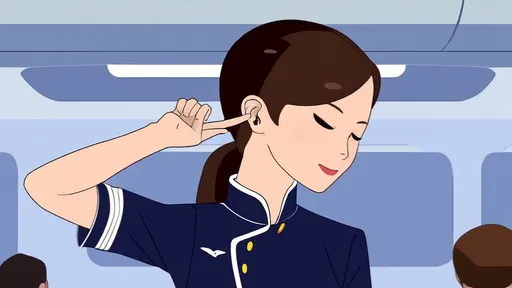
One of the simplest and most well-known methods for equalizing ear pressure is the Valsalva maneuver. This involves pinching the nose shut, closing the mouth, and gently exhaling as if blowing up a balloon. The action forces air through the Eustachian tubes, equalizing the pressure. However, it’s important to perform this maneuver gently, as excessive force can cause harm. Swallowing or yawning can also help activate the muscles that open the Eustachian tubes, providing relief.
Chewing gum or sucking on hard candy during descent is another practical solution. The repetitive motion encourages swallowing, which helps regulate ear pressure. For infants, feeding them during takeoff and landing can achieve the same effect, as the sucking and swallowing motions naturally assist in pressure equalization. Some travelers find relief by using specialized earplugs designed to regulate pressure changes gradually, though results may vary from person to person.
When to Seek Medical Advice
While most cases of ear pressure discomfort resolve on their own, persistent pain or hearing issues after a flight should not be ignored. If pressure-related symptoms last more than a few hours or are accompanied by severe pain, dizziness, or fluid discharge from the ear, consulting a healthcare professional is advisable. Individuals with pre-existing ear conditions, such as chronic Eustachian tube dysfunction or a history of ear surgeries, may benefit from discussing preventive measures with their doctor before flying.
In rare instances, untreated barotrauma can lead to complications like a ruptured eardrum or middle ear infections. Those who frequently experience severe ear pressure may want to explore medical interventions, such as decongestants or nasal sprays, to reduce swelling in the Eustachian tubes before flying. Pilots and frequent flyers often develop personalized strategies to manage ear pressure effectively, emphasizing the importance of finding what works best for each individual.
Preventive Measures for Future Flights
Preparation can make a significant difference in minimizing ear pressure discomfort. Staying hydrated before and during the flight helps keep mucous membranes moist, promoting better Eustachian tube function. Avoiding alcohol and caffeine, which can contribute to dehydration, is also beneficial. For those prone to congestion, using a saline nasal spray or inhaling steam before the flight can help clear nasal passages.
Timing pressure-relief techniques correctly is equally important. Starting to swallow, yawn, or perform the Valsalva maneuver before the ears feel blocked can prevent pressure buildup altogether. Some frequent travelers recommend practicing these techniques in advance to ensure they can be performed effortlessly during the flight. By incorporating these strategies, passengers can turn what is often an uncomfortable part of air travel into a manageable, if not entirely avoidable, experience.

By /Aug 6, 2025

By /Aug 6, 2025

By /Aug 6, 2025

By /Aug 6, 2025

By /Aug 6, 2025

By /Aug 6, 2025
By /Aug 6, 2025

By /Aug 6, 2025

By /Aug 6, 2025

By /Aug 6, 2025

By /Aug 6, 2025

By /Aug 6, 2025

By /Aug 6, 2025

By /Aug 6, 2025
By /Aug 6, 2025

By /Aug 6, 2025

By /Aug 6, 2025

By /Aug 6, 2025

By /Aug 6, 2025

By /Aug 6, 2025
