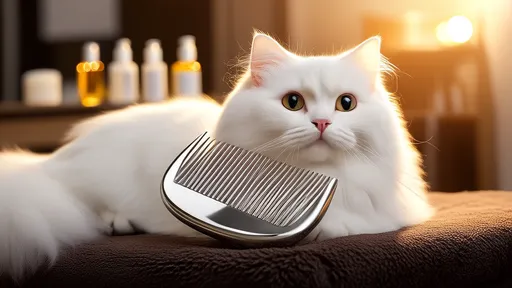
Keeping your pet's brush clean is an essential part of maintaining their hygiene and ensuring their coat stays healthy. Over time, brushes accumulate loose fur, dirt, and oils, which can lead to bacterial growth and skin irritations if not properly cleaned. Whether you own a long-haired cat or a short-haired dog, regular brush maintenance should be part of your grooming routine.
Many pet owners overlook the importance of cleaning their grooming tools, assuming that a quick shake or rinse is enough. However, a deeper clean is necessary to remove embedded debris and prevent the spread of bacteria. The frequency of cleaning depends on how often you brush your pet—weekly grooming sessions may require weekly brush cleaning, while occasional use might allow for less frequent maintenance.
Choosing the right cleaning method depends on the type of brush you use. Slicker brushes, bristle brushes, and deshedding tools each have unique structures that require different approaches. For instance, slicker brushes with fine wires trap a significant amount of fur, making it necessary to use a comb or another brush to pull out the trapped hair before washing. Bristle brushes, on the other hand, may collect more oils and require a mild soap solution to break down the buildup.
One effective way to clean most brushes is by soaking them in warm, soapy water. A gentle pet shampoo or dish soap works well for this purpose. Allow the brush to sit for a few minutes to loosen debris, then use an old toothbrush or a specialized cleaning tool to scrub between the bristles or pins. Rinse thoroughly to ensure no soap residue remains, as this can irritate your pet’s skin during the next grooming session.
Drying the brush properly is just as crucial as cleaning it. Excess moisture can lead to rust on metal components or encourage mold growth in wooden brushes. After rinsing, shake out excess water and pat the brush dry with a clean towel. For faster drying, place it in a well-ventilated area or use a fan, but avoid direct sunlight or high heat, which can warp plastic or damage natural bristles.
For pet owners who prefer a more natural approach, white vinegar can be an excellent cleaning agent. Its antibacterial properties help disinfect the brush without harsh chemicals. A solution of equal parts water and vinegar can be used for soaking or spraying onto the brush before scrubbing. Just be sure to rinse thoroughly afterward to eliminate any lingering vinegar smell that might deter your pet from being groomed.
Regular maintenance between deep cleans can extend the life of your pet’s brush. After each use, remove as much hair as possible using your fingers, a comb, or a specialized brush cleaning tool. Some brushes come with self-cleaning mechanisms that allow you to push a button or slide a lever to release trapped fur effortlessly. Taking a few extra seconds to do this will keep the brush in better condition and make deep cleaning sessions easier.
Storing your brush correctly also plays a role in keeping it clean. Avoid leaving it in damp areas like the bathroom, where moisture can accumulate. Instead, keep it in a dry, covered space, such as a grooming kit or a drawer. If you travel frequently with your pet, consider using a small pouch or case to protect the brush from dirt and debris when not in use.
For households with multiple pets, it’s advisable to use separate brushes for each animal, especially if one has skin conditions or parasites. Sharing brushes can spread infections or fleas, even if the tools appear clean. Labeling each brush can help prevent mix-ups and ensure that every pet gets individualized care.
Ultimately, a clean brush not only benefits your pet’s coat but also enhances the grooming experience. A well-maintained tool glides through fur more smoothly, reducing pulling and discomfort. By incorporating these cleaning practices into your routine, you’ll ensure that your pet stays happy, healthy, and well-groomed for years to come.

By /Aug 6, 2025

By /Aug 6, 2025

By /Aug 6, 2025

By /Aug 6, 2025

By /Aug 6, 2025

By /Aug 6, 2025

By /Aug 6, 2025

By /Aug 6, 2025

By /Aug 6, 2025

By /Aug 6, 2025

By /Aug 6, 2025

By /Aug 6, 2025

By /Aug 6, 2025

By /Aug 6, 2025

By /Aug 6, 2025

By /Aug 6, 2025

By /Aug 6, 2025

By /Aug 6, 2025

By /Aug 6, 2025
By /Aug 6, 2025
