Pregnancy is a beautiful journey, but it comes with its own set of challenges, especially when it comes to safety during travel. One often overlooked aspect is the proper use of seat belts, which can be uncomfortable and even hazardous for expectant mothers. This is where pregnancy seat belt cushions come into play, offering both comfort and protection. These innovative accessories are designed to alleviate pressure on the abdomen while ensuring that the seat belt functions as intended in case of an accident.
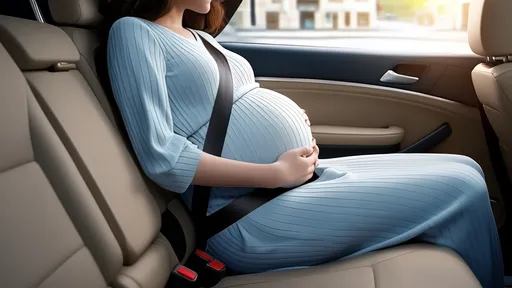
The design of a pregnancy seat belt cushion is simple yet effective. It typically consists of a soft, padded material that wraps around the seat belt, redistributing the pressure away from the belly. This not only makes the ride more comfortable but also reduces the risk of injury to both the mother and the unborn child. Many models are adjustable, allowing them to grow with the pregnancy, ensuring a snug fit throughout all trimesters. The cushion’s placement is crucial—it should sit low across the hips and pelvis, not over the stomach, to minimize any potential harm during sudden stops or collisions.
Why are these cushions necessary? Standard seat belts are not designed with pregnant women in mind. The lap belt, if positioned incorrectly, can exert dangerous pressure on the uterus, while the shoulder belt might dig into the neck or slide off the shoulder. A seat belt cushion addresses these issues by guiding the belt into the correct position and cushioning the areas where the belt makes contact with the body. This small adjustment can make a significant difference in safety and comfort, especially during long car rides.
Beyond comfort, the primary purpose of a pregnancy seat belt cushion is safety. In the event of a crash, the cushion helps to disperse the force of the impact, reducing the risk of trauma to the abdomen. Studies have shown that proper seat belt use during pregnancy can significantly lower the chances of adverse outcomes for both the mother and the baby. However, many women avoid wearing seat belts altogether due to discomfort, which is far more dangerous. A cushion encourages consistent seat belt use, bridging the gap between safety and comfort.
Choosing the right cushion involves considering several factors. Material is key—look for hypoallergenic, breathable fabrics that won’t irritate the skin. The cushion should be easy to install and remove, as pregnant women may not always have the flexibility to adjust complicated straps. Additionally, portability is a plus; a lightweight, compact design makes it easy to transfer between vehicles or even take on flights. Some cushions come with additional features like storage pockets or non-slip backing, adding extra convenience for the user.
Despite their benefits, pregnancy seat belt cushions are not universally known or used. Many expectant mothers are unaware of their existence or skeptical about their effectiveness. Education is essential here—healthcare providers, prenatal classes, and even car manufacturers can play a role in spreading awareness. Simple demonstrations or informational pamphlets could go a long way in encouraging their adoption. After all, something as small as a cushion can have a profound impact on maternal and fetal safety.
The market for pregnancy-related safety products is growing, and seat belt cushions are just one example of how innovation can address the unique needs of expectant mothers. As more women prioritize safety during pregnancy, the demand for such products is likely to increase. This, in turn, could lead to further advancements in design and functionality, making travel even safer and more comfortable for pregnant women everywhere.
In conclusion, pregnancy seat belt cushions are a small but mighty tool in ensuring the well-being of both mother and child during travel. They combine comfort and safety in a way that standard seat belts alone cannot, making them a worthwhile investment for any expectant mother. By raising awareness and improving accessibility, we can help more women benefit from this simple yet life-saving accessory.
By /Aug 6, 2025

By /Aug 6, 2025

By /Aug 6, 2025

By /Aug 6, 2025

By /Aug 6, 2025

By /Aug 6, 2025
By /Aug 6, 2025
By /Aug 6, 2025

By /Aug 6, 2025

By /Aug 6, 2025

By /Aug 6, 2025
By /Aug 6, 2025

By /Aug 6, 2025
By /Aug 6, 2025

By /Aug 6, 2025

By /Aug 6, 2025
By /Aug 6, 2025

By /Aug 6, 2025
By /Aug 6, 2025
By /Aug 6, 2025
