The instant noodle industry has long been dominated by meat-flavored options, leaving vegetarian consumers with limited choices that often lack proper nutritional balance. As plant-based diets gain global popularity, food scientists and manufacturers are now focusing on fortifying vegetarian instant noodles to meet the growing demand for convenient yet wholesome meat-free meals.
The Nutritional Gap in Vegetarian Instant Noodles
Traditional vegetarian instant noodles frequently suffer from protein deficiency and incomplete amino acid profiles. While the wheat flour base provides carbohydrates, most meat-free versions fail to deliver adequate levels of iron, vitamin B12, zinc, and omega-3 fatty acids - nutrients typically abundant in animal products. This nutritional shortfall becomes particularly concerning for vegetarians who rely heavily on convenience foods.
Food technologists have identified several key challenges in fortifying these products. The high-temperature drying process used in instant noodle production can degrade heat-sensitive nutrients. Additionally, the characteristic texture and shelf stability must be maintained while incorporating functional ingredients. Perhaps most crucially, any nutritional enhancements shouldn't compromise the quick preparation time that makes instant noodles appealing.
Innovative Protein Fortification Strategies
Modern solutions employ plant-based proteins that withstand processing conditions while boosting nutritional value. Textured vegetable proteins (TVP) made from soy, peas or wheat gluten are being incorporated directly into noodle dough at 10-15% inclusion rates. These not only improve protein content but enhance the chewiness that consumers expect from quality noodles.
Some manufacturers are experimenting with lesser-known protein sources like duckweed (lemna minor), which contains all essential amino acids and survives the dehydration process remarkably well. Mycoprotein derived from fungi fermentation shows particular promise, offering meat-like texture and a nutrition profile comparable to animal proteins without any animal derivatives.
Addressing Micronutrient Deficiencies
Iron fortification presents unique challenges as many plant-based iron compounds cause undesirable color changes or metallic aftertaste. Advanced encapsulation technologies now allow manufacturers to incorporate ferrous bisglycinate - a highly bioavailable form of iron that doesn't affect product sensory qualities. This same technology enables the addition of vitamin B12, historically difficult to include in vegetarian foods.
Omega-3 enrichment comes from microalgae oil rather than fish sources, providing DHA and EPA without compromising vegetarian status. Some innovative products use stabilized flaxseed powder in seasoning packets to deliver ALA omega-3s that consumers can mix in after cooking, avoiding heat degradation.
The Flavor Dilemma in Enhanced Products
Nutritional improvements often introduce flavor challenges. High-protein ingredients can bring bitter notes or bean-like off-flavors. Food chemists combat this through precise blending of protein sources and the use of natural flavor modulators like mushroom extracts or yeast derivatives that round out harsh notes while adding umami depth.
Herb and spice combinations play dual roles - they mask any undesirable flavors from fortificants while contributing their own phytonutrients. Turmeric, for instance, adds color and anti-inflammatory compounds, while rosemary extract serves as both flavor enhancer and natural preservative.
Shelf-Stable Vegetable Incorporation
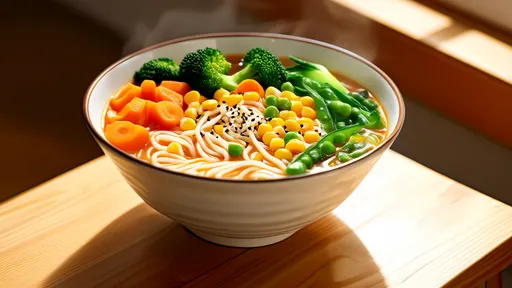
Beyond micronutrient additives, manufacturers are finding ways to include actual vegetable matter without sacrificing shelf life. Freeze-dried vegetable powders maintain more nutrients than traditional dehydration methods and can be evenly distributed through noodle blocks. Some companies create vegetable-infused noodles by incorporating purees into the dough, resulting in products that provide a full serving of vegetables per portion.
Dehydrated vegetable pieces in seasoning packets have evolved beyond basic carrots and onions. Nutrient-dense options like kale, beetroot, and seaweed are now commonly included, rehydrating during the brief cooking process to deliver texture, flavor, and additional vitamins.
The Future of Functional Vegetarian Noodles
Emerging technologies promise even greater nutritional enhancements. Enzymatic pre-digestion of plant proteins could improve bioavailability, while nano-encapsulation may allow sensitive probiotics to survive both processing and stomach acid. Some prototypes incorporate sprouted grain flours that naturally contain higher nutrient levels than conventional flour.
Personalized nutrition represents another frontier, with single-serve noodle cups that allow consumers to mix in customized nutrient boosters. Imagine a base noodle paired with separate protein, vitamin, or fiber packets tailored to individual dietary needs - all while maintaining the convenience factor that defines instant noodles.
As consumer awareness grows, so does demand for transparency. Leading brands now highlight not just what they've added, but why - explaining how each fortified nutrient addresses specific vegetarian dietary gaps. This educational approach builds trust while helping consumers make informed choices about their convenience foods.
The evolution of vegetarian instant noodles from nutritionally lacking afterthoughts to thoughtfully fortified complete meals reflects broader shifts in food technology and consumer expectations. What began as a niche product category now drives innovation at the intersection of convenience, plant-based nutrition, and food science - proving that fast food can indeed be wholesome food.

By /Aug 6, 2025

By /Aug 6, 2025

By /Aug 6, 2025

By /Aug 6, 2025

By /Aug 6, 2025

By /Aug 6, 2025

By /Aug 6, 2025

By /Aug 6, 2025

By /Aug 6, 2025

By /Aug 6, 2025

By /Aug 6, 2025
By /Aug 6, 2025
By /Aug 6, 2025

By /Aug 6, 2025

By /Aug 6, 2025

By /Aug 6, 2025

By /Aug 6, 2025

By /Aug 6, 2025

By /Aug 6, 2025

By /Aug 6, 2025
