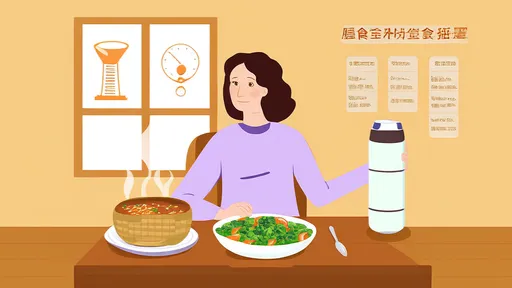
Navigating the hormonal shifts of menopause requires a holistic approach to wellness, and one often overlooked aspect is the role of food temperature in managing symptoms. While most discussions focus on what to eat, the thermal quality of meals – whether steaming hot or chilled – can significantly impact digestion, hot flashes, and overall comfort during this transitional phase. Emerging research suggests that strategic temperature modulation of foods and beverages may offer a simple yet effective tool for symptom management.
The concept of thermal regulation through diet stems from ancient medicinal systems like Traditional Chinese Medicine (TCM), which has long recognized the energetic properties of foods. During menopause, when the body's internal thermostat seems to malfunction, these principles take on new relevance. Warm foods are believed to support digestive fire, while cooler items may help counteract the sudden surges of body heat that characterize hot flashes. This isn't about extreme temperatures but rather mindful moderation – finding the thermal sweet spot that soothes rather than aggravates the system.
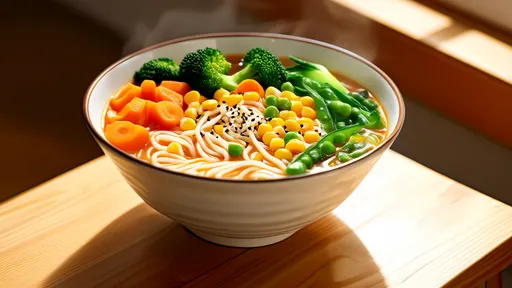
Digestive considerations become paramount during menopause, as fluctuating hormones can slow gastric motility. Many women report increased bloating and discomfort after meals. Warm soups, stews, and herbal teas appear gentler on the digestive tract, promoting better nutrient absorption. The warmth helps break down food molecules more efficiently, reducing the energy required for digestion. Conversely, icy cold beverages with meals may shock the system, causing blood vessels in the stomach to constrict and potentially impairing digestive enzyme function.
Hot flashes present one of the most challenging symptoms to manage through dietary approaches. While the instinct might be to reach for an ice-cold drink during a flush, this may actually backfire by creating too drastic a temperature differential. Some nutritionists suggest room temperature or slightly cool beverages work better to gradually lower core temperature without triggering rebound heating effects. Foods with high water content at moderate temperatures – think cucumber slices or watermelon at cellar temperature – often provide more sustained relief than frozen treats.
The timing of temperature-controlled foods matters as much as their thermal properties. Many women find warm breakfasts set a better metabolic tone for the day, while lighter, cooler meals in the evening help prevent night sweats. This aligns with circadian rhythms and the body's natural cooling process in the evening hours. Herbal teas like chamomile or peppermint served warm in the afternoon can provide a soothing transition between meals without overstimulating the system.
Bone health concerns during menopause add another layer to the temperature equation. Warm preparations of calcium-rich foods like gently cooked leafy greens or bone broth may enhance mineral bioavailability compared to raw cold versions of the same foods. The cooking process helps break down oxalates that can interfere with calcium absorption, while the warmth may improve circulation to bone tissue. This doesn't mean eliminating all raw foods, but rather being intentional about which nutrients benefit from thermal preparation.
Individual constitution plays a significant role in determining optimal food temperatures. Women who tend to run cool may benefit from more warming foods, while those who experience intense heat surges might need cooler options. The key lies in self-observation – noticing how different temperature foods affect energy levels, digestion, and temperature regulation throughout the day. Keeping a simple journal tracking food temperatures alongside symptoms can reveal personalized patterns.
Practical implementation doesn't require elaborate meal overhauls. Simple adjustments like allowing very hot foods to cool slightly before eating, avoiding direct-from-the-freezer items, and incorporating warm spices into meals can make a noticeable difference. The Japanese practice of hara hachi bu – eating until 80% full – becomes especially relevant with temperature considerations, as overeating any temperature food can generate metabolic heat.
As research continues to explore the connections between thermoregulation and menopausal symptoms, the temperature dimension of eating offers an accessible, drug-free approach to finding greater comfort. By bringing awareness to this often invisible aspect of nutrition, women can expand their toolkit for navigating menopause with greater ease and intentionality.
By /Aug 6, 2025

By /Aug 6, 2025

By /Aug 6, 2025

By /Aug 6, 2025

By /Aug 6, 2025

By /Aug 6, 2025

By /Aug 6, 2025

By /Aug 6, 2025

By /Aug 6, 2025

By /Aug 6, 2025

By /Aug 6, 2025
By /Aug 6, 2025
By /Aug 6, 2025

By /Aug 6, 2025

By /Aug 6, 2025

By /Aug 6, 2025

By /Aug 6, 2025

By /Aug 6, 2025

By /Aug 6, 2025

By /Aug 6, 2025
