In the bustling world of modern cooking, where high-tech appliances and rapid techniques often take center stage, there exists a quiet, almost forgotten method that harnesses the simplest of principles: residual heat. This technique, known in various culinary traditions but perhaps most elegantly expressed in the Chinese concept of "finishing with residual heat," is a testament to the power of patience and the intelligent use of energy. It’s a practice that not only yields exceptionally tender and flavorful results but also speaks to a more sustainable, thoughtful approach to food preparation.
At its core, the idea is straightforward. After bringing a dish to the desired temperature or bringing liquid to a boil, the heat is turned off, and the food is left to cook gently in the retained warmth of the pot or pan. This method is far from a modern innovation; it has deep roots in many cultures, particularly across Asia, where it has been refined over centuries. In Western kitchens, a similar principle is sometimes applied when making dishes like pulled pork or stews that benefit from long, slow cooking, but it is often achieved through external heat sources like ovens set to low temperatures. The true art of finishing with residual heat, however, relies solely on the innate heat stored in the cooking vessel itself, making it both energy-efficient and remarkably effective.
The science behind this technique is fascinating. When you heat a pot or a Dutch oven, the material—whether cast iron, ceramic, or stainless steel—absorbs a significant amount of thermal energy. Even after the external heat source is removed, this energy doesn’t vanish instantly; it dissipates slowly, creating a gentle, declining heat environment perfect for finishing delicate foods. This process allows proteins to relax without tightening, grains to absorb liquid fully without becoming mushy, and flavors to meld together in a way that aggressive, continuous heat often disrupts. It’s a form of passive cooking that respects the ingredients, allowing them to reach their peak texture and taste without oversight.
One of the most classic applications of this method is in preparing rice. While many today rely on rice cookers, the traditional way of making perfect, fluffy rice often involves bringing it to a boil, then reducing the heat to a simmer, and finally turning off the heat entirely to let the residual warmth steam the grains to completion. This approach prevents the bottom layer from burning and ensures each grain is separate and tender. Similarly, tough cuts of meat, when braised or stewed, can be brought to a simmer and then left to cook off the heat for hours, resulting in fall-off-the-bone tenderness without the risk of overcooking or drying out.
Vegetables, too, benefit immensely from this technique. Delicate greens like spinach or Chinese cabbage can be wilted to perfection by merely tossing them into a hot pot and covering it, allowing the existing heat to do the work without any additional energy input. This not only preserves their vibrant color and nutrients but also enhances their natural sweetness. Even dishes like frittatas or crustless quiches can be started on the stovetop and finished in the residual heat of an oven, yielding a creamy, evenly set interior without a rubbery texture.
Beyond the practical benefits, there is an almost philosophical appeal to cooking with residual heat. In a fast-paced world, it encourages a slower, more intentional rhythm in the kitchen. It asks the cook to plan ahead, to trust the process, and to embrace a hands-off approach that can be both meditative and rewarding. There’s a certain satisfaction in knowing that a meal is gently finishing itself while you attend to other tasks, all while saving energy and reducing your carbon footprint. It’s a small but meaningful way to connect with older, wiser culinary traditions that prioritized resourcefulness and mindfulness.
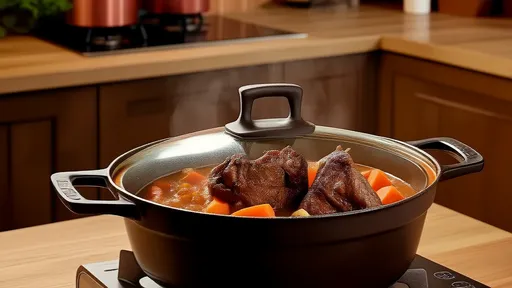
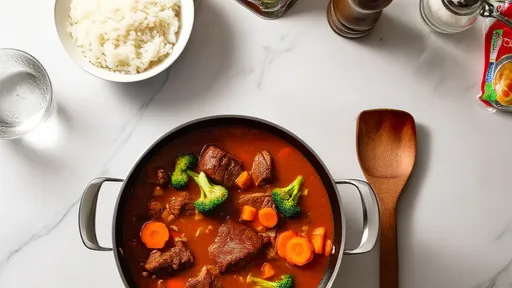
To truly appreciate the versatility of this method, consider trying it with a variety of dishes. Start with something simple, like hard-boiled eggs. Instead of boiling them for a set time, bring them to a boil, turn off the heat, and let them sit in the hot water for 10-12 minutes. You’ll find the yolks are creamier and the whites more tender. For heartier meals, a beef stew can be simmered until the meat is nearly tender, then left to finish in the residual heat of a heavy pot for an hour or two. The results are often superior to prolonged boiling, which can make meat stringy and tough.
Grains like quinoa, farro, or barley also respond beautifully to this approach. After the initial boil, covering the pot and removing it from the heat allows the grains to absorb remaining liquid evenly, resulting in a perfectly cooked texture every time. Even desserts can benefit; a bread pudding or a custard can be baked until nearly set and then left in the turned-off oven to firm up gently, avoiding curdling or cracking.
It’s important to note that successful residual heat cooking depends on a few key factors. The choice of cookware is crucial; thick, heavy-bottomed pots and pans made from materials like cast iron or enameled Dutch ovens retain heat best, while thin stainless steel may cool too quickly. The size of the pot relative to the amount of food also matters—a too-large pot will lose heat faster, while a tightly filled one will hold warmth longer. Additionally, keeping the lid on is essential to trap steam and maintain temperature. Experimentation is key, as different dishes and ingredients will require slight adjustments in timing and technique.
In an era where convenience often trumps craftsmanship, rediscovering methods like finishing with residual heat offers a refreshing return to basics. It’s a technique that doesn’t require fancy equipment or complicated steps, just an understanding of heat and a bit of patience. By integrating this approach into your cooking repertoire, you not only create more delicious and nuanced dishes but also participate in a broader movement towards sustainable, mindful eating. So the next time you’re in the kitchen, consider turning off the heat a little earlier and letting the residual warmth work its magic. Your taste buds—and the planet—will thank you.
By /Aug 20, 2025
By /Aug 20, 2025

By /Aug 20, 2025
By /Aug 20, 2025

By /Aug 20, 2025
By /Aug 20, 2025
By /Aug 20, 2025
By /Aug 20, 2025
By /Aug 20, 2025
By /Aug 20, 2025
By /Aug 20, 2025
By /Aug 20, 2025
By /Aug 20, 2025
By /Aug 20, 2025
By /Aug 20, 2025
By /Aug 20, 2025
By /Aug 20, 2025
By /Aug 20, 2025
By /Aug 20, 2025

By /Aug 20, 2025
