In the quiet corners of memory, a specific flavor often lingers, a ghost of a taste tied inextricably to childhood. For many, the quest to recapture that singular sensation—the exact crunch of a chip, the particular fizz of a soda, the unique melt of a chocolate bar that hasn't been on shelves for decades—becomes a poignant and deeply personal journey. This is not merely about nostalgia; it's a culinary archaeology, a determined mission to unearth a piece of one's past that the commercial world has deemed obsolete. The disappearance of a beloved snack is a small but significant loss, a severing of a tangible link to a simpler time, and the hunt to find it again is a story of taste, memory, and connection.
The reasons behind a snack's vanishing act are as varied as the treats themselves. Sometimes, it's a simple matter of corporate consolidation. A larger company acquires a smaller, beloved brand and, in the ruthless pursuit of synergy and market efficiency, discontinues products that don't fit the new portfolio's grand strategy. The snack, though adored by a loyal few, becomes a casualty on a spreadsheet, its sales figures insufficient to justify its continued existence in a globalized market. Other times, the culprit is a change in ingredient availability or safety regulations. A key artificial flavoring, once commonplace, might be banned by health authorities. A particular type of oil or preservative might fall out of favor with the public, forcing a recipe change that alters the taste so fundamentally that the magic is lost, rendering the product a hollow shell of its former self. In rarer, more tragic cases, the company that held the secret formula simply closes its doors, taking the recipe to its grave, leaving behind only the fading memories of its consumers.
This loss creates a unique void. Unlike a discontinued toy that can sit on a shelf, a flavor exists only in the moment of consumption and in the neural pathways of memory. This intangibility is what fuels the hunt. The initial spark is often a sudden, vivid recollection—the taste of a specific peanut butter cup at a summer camp, or the sharp tang of a blue candy ring from a corner store. This memory triggers a restless curiosity. A quick online search reveals the shocking truth: it's gone. But this realization is never the end. It is the beginning of the quest. Forums and social media groups dedicated to "discontinued foods" or "lost snacks" become digital campfires where seekers gather. Here, they share their stories, their yearnings, and the faintest of clues. "It was in a blue bag," one might write. "It had a cartoon parrot on the box," adds another. These communities are built on a shared language of loss and a collective hope of rediscovery.
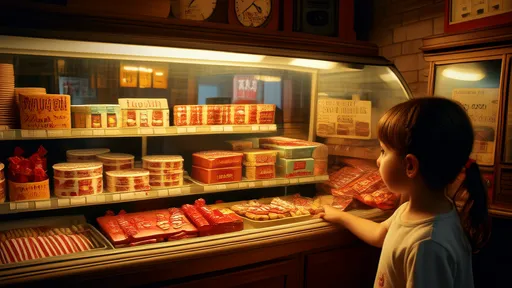
The search then moves from the digital to the physical world, becoming a grassroots effort of astonishing dedication. This is where the story truly transcends mere shopping and becomes an adventure. Hunters will spend weekends driving to remote, old-fashioned mom-and-pop convenience stores or dusty candy shops in small towns, places that time forgot, hoping to find a forgotten box languishing on a bottom shelf. They will post wanted ads on local community boards and engage store owners of a certain age in long conversations, describing the texture, the color, the flavor in minute detail, hoping to spark a recognition that leads to a clue. Every flea market, every antique mall, every old warehouse sale becomes a potential treasure trove. The discovery of a single, intact, albeit potentially stale, package is treated not as a failure but as a monumental victory—a physical proof that the memory was real and the snack did, in fact, exist.
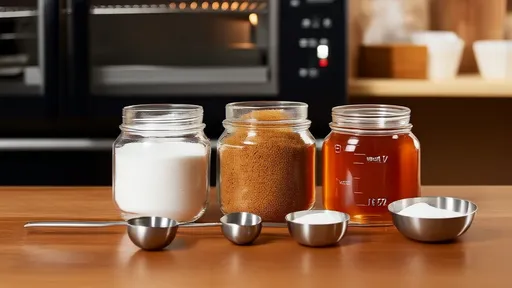
For the truly committed, the final frontier of this quest is replication. When the original product is confirmed lost to the annals of history, the mission evolves from finding to rebuilding. Kitchen tables become laboratories. Home cooks and food scientists alike embark on a process of reverse engineering, attempting to deconstruct a taste from memory alone. This is an exercise in extreme sensory recall and meticulous experimentation. Was the primary note vanilla or cream? Was the sweetness from cane sugar or corn syrup? How much salt was used to balance it? Countless batches are mixed, baked, frozen, or cooked, each one tasted against the memory and almost always found wanting. Recipes are adjusted in minute increments—a quarter teaspoon more of this, a dash less of that. Online forums transform into collaborative research hubs, with seekers sharing their failed attempts and small breakthroughs, slowly piecing together the puzzle through collective trial and error.
The emotional payoff of this entire endeavor, whether finding an original or perfecting a copy, is profound. The first bite of a successfully replicated snack is rarely just about taste. It is a time machine. It’s a visceral, overwhelming wave of sense memory that can transport an individual back to their grandmother's kitchen, a school playground, or a childhood birthday party with startling clarity. It can evoke the feeling of a specific sunbeam warming a linoleum floor or the sound of a long-gone relative's laughter. This reconnection is powerful because it proves that these cherished moments, though past, are not lost. They are encoded not just in our minds, but in our very senses. The flavor becomes a key, unlocking a door to a part of oneself that adulthood often forces into storage.
Ultimately, the hunt for a vanished childhood snack is a testament to the powerful, often overlooked role that food plays in the architecture of our identities. These treats were more than just sustenance; they were companions to our formative experiences, markers of time and place, and tokens of love and reward. Their disappearance feels like a theft of a part of that history. Therefore, the search to bring them back is an act of reclamation. It is a defiant stand against the ephemeral nature of consumer culture and the passage of time itself. It is a declaration that some things—the things that truly shape who we are—are worth remembering, worth seeking, and worth saving from oblivion, one perfect bite at a time.

By /Aug 20, 2025
By /Aug 20, 2025
By /Aug 20, 2025
By /Aug 20, 2025
By /Aug 20, 2025
By /Aug 20, 2025
By /Aug 20, 2025
By /Aug 20, 2025
By /Aug 20, 2025
By /Aug 20, 2025
By /Aug 20, 2025
By /Aug 20, 2025

By /Aug 20, 2025

By /Aug 20, 2025
By /Aug 20, 2025
By /Aug 20, 2025
By /Aug 20, 2025
By /Aug 20, 2025
By /Aug 20, 2025
By /Aug 20, 2025
