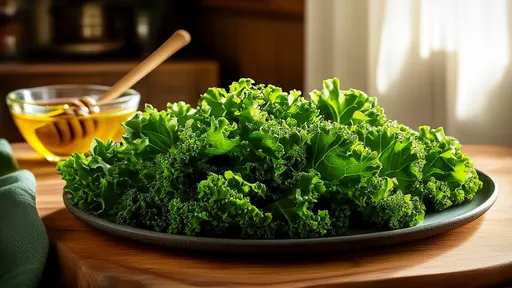
There is a quiet revolution happening in kitchens across the globe, one that involves a leafy green and a pair of willing hands. For years, kale has been both lauded for its nutritional prowess and lamented for its notoriously tough, bitter character. Many have tried to tame it with cooking, only to be met with a mushy texture and a flavor that can still carry an unpleasant bite. But a simple, almost primal technique has emerged from the realms of health food enthusiasts and professional chefs alike, promising to transform this nutritional powerhouse into a tender, flavorful, and utterly delightful ingredient. This method requires no special equipment, no complex chemical processes—just a bit of salt, some oil or acid, and the transformative power of a good massage.
The bitterness in kale is not a flaw but a defense mechanism. The plant produces compounds called glucosinolates, which break down into bitter-tasting substances like sinigrin to deter pests. While these compounds are also part of what makes kale so good for us, they can make the raw leaves challenging to enjoy. The key to unlocking kale's sweeter, gentler side lies in physically breaking down its rigid cellular structure. This is where the massage comes in. The act of physically kneading and squeezing the leaves does two critical things: it begins to break down the tough cellulose fibers that make the leaves chewy, and it starts the process of wilting, which helps to diminish the perception of bitterness on the palate.
Before the massage can begin, proper preparation is paramount. Start by selecting a bunch of fresh kale. Curly kale is the most common variety for this technique, as its ruffled leaves provide excellent surface area for dressing to cling to, but Lacinato (or dinosaur) kale works beautifully as well. The first step is always to wash the leaves thoroughly. Kale, especially the curly kind, can harbor grit and soil in its crevices. Submerge the leaves in a large bowl of cold water, swish them around, and then lift them out, leaving any sediment behind. Repeat if necessary. Next, you must remove the stems. The central rib is exceptionally tough and fibrous and will not break down sufficiently with massaging. The easiest way to do this is to hold the bottom of the stem with one hand, pinch the base of the leaf with the other, and simply pull upward, stripping the leaf away from the stem.
Once you have a pile of clean, stemless leaves, it's time to chop. Tear or cut the leaves into bite-sized pieces. This not only makes the final salad easier to eat but also increases the surface area, allowing the dressing and your hands to make more contact. Now, place your prepared kale into a large, spacious bowl. Do not overcrowd the bowl; you need room to work. The next ingredient is salt. A generous pinch of coarse sea salt or kosher salt is traditional. The salt acts as an abrasive agent, helping to physically scour the surface of the leaves and puncture cell walls. More importantly, it initiates osmosis, drawing moisture out of the leaves. This loss of water is a crucial part of the wilting process and contributes significantly to tenderizing the kale and mitigating its bitterness.
Now, roll up your sleeves and dive in. Using your clean hands, begin to vigorously scrunch, knead, and squeeze the kale with the salt. It might feel a little strange at first, but embrace it. You are not being gentle. You want to apply a good amount of pressure, working the leaves for a solid three to five minutes. You will witness a transformation in real-time. The vibrant green leaves will begin to darken, their volume will reduce dramatically, and they will take on a glossy, almost cooked appearance. You will feel them soften under your fingers. This visual and tactile change is your signal that the cell walls are breaking down. The kale is wilting, and the harsh bitterness is being literally pressed out.
After the initial salt massage, it's time to introduce the dressing components. This is where the "marination" part of the process begins. While a simple drizzle of good quality extra virgin olive oil and a squeeze of lemon juice is a classic and effective combination, the possibilities are endless. The oil and acid are not just for flavor; they play a functional role. The oil helps to coat the leaves, further softening their texture and making fat-soluble vitamins more bioavailable. The acid, whether from citrus or vinegar, brightens the flavor and helps to balance any remaining earthy notes. For a more complex profile, you might add a touch of minced garlic, a dash of tamari or fish sauce for umami, a pinch of red pepper flakes for heat, or a teaspoon of honey or maple syrup to complement the emerging natural sweetness of the kale.
Once your dressing ingredients are added, give the kale another, gentler massage for about a minute to ensure every leaf is thoroughly coated. This second massage allows the flavors to penetrate deep into the now-porous leaves. At this stage, the difference between raw kale and massaged kale is staggering. The once stiff and bitter leaves are now supple, almost silky, with a complex flavor that is earthy, slightly sweet, and perfectly seasoned. The harsh, astringent quality is gone, replaced by a delightful savoriness.
But the magic does not stop there. The true brilliance of this technique is revealed through patience. This is not a salad you necessarily toss and serve immediately. Cover the bowl and let it sit for at least 20 to 30 minutes, or even longer. Letting it marinate in the refrigerator for several hours, or overnight, is where the alchemy truly happens. During this rest period, the flavors continue to meld and mature. The acid and oil work their way deeper into the leaf structure, tenderizing it even further. The result, after a long marination, is a kale salad that is incredibly tender, deeply flavorful, and devoid of any trace of unpleasant bitterness. It holds up magnificently, unlike delicate greens that wilt into a soggy mess, making it the perfect make-ahead dish for meal prep or potlucks.
The applications for massaged kale extend far beyond a simple side salad. Its robust yet tender nature makes it an incredibly versatile component. Use it as a nutrient-dense bed for grilled chicken, salmon, or roasted vegetables. Pile it into a whole-grain wrap with hummus and roasted peppers for a lunch that won't get soggy. Mix it into a grain bowl with quinoa, sweet potato, and a tahini dressing. For a heartier meal, massaged kale can be quickly warmed and stirred into pasta during the last minute of cooking, or used as a filling for a savory galette or tart. Its sturdiness means it can be dressed well in advance, opening up a world of culinary possibilities that are both healthy and deeply satisfying.
Mastering the art of the kale massage is a small kitchen skill that yields enormous rewards. It turns a challenging vegetable into a culinary superstar, unlocking its full potential for flavor and texture. It demystifies the process of eating well, proving that sometimes the best tools we have are our own hands. So the next time you bring home a bunch of kale, don't just steam it or hide it in a smoothie. Give it the attention it deserves. Wash it, strip it, chop it, and then get to work. A few minutes of mindful effort will transform those tough, bitter leaves into something tender, delicious, and truly transformative, changing your relationship with this mighty green forever.
By /Aug 20, 2025
By /Aug 20, 2025
By /Aug 20, 2025

By /Aug 20, 2025

By /Aug 20, 2025

By /Aug 20, 2025

By /Aug 20, 2025
By /Aug 20, 2025

By /Aug 20, 2025

By /Aug 20, 2025
By /Aug 20, 2025
By /Aug 20, 2025
By /Aug 20, 2025

By /Aug 20, 2025
By /Aug 20, 2025

By /Aug 20, 2025

By /Aug 20, 2025

By /Aug 20, 2025

By /Aug 20, 2025

By /Aug 20, 2025
