There is a certain alchemy to the pantry that speaks of home, a collection of jars and bottles that hold not just ingredients, but possibilities. Among these, the various jars of zhajiang, or fried sauce, stand as humble sentinels of flavor, ready to transform the simplest of ingredients into a meal that comforts the soul. This is not about a single, monolithic sauce, but a family of them, each with its own character, history, and culinary destiny. To understand them is to unlock a world of quick, delicious, and deeply satisfying eating right from your own kitchen.
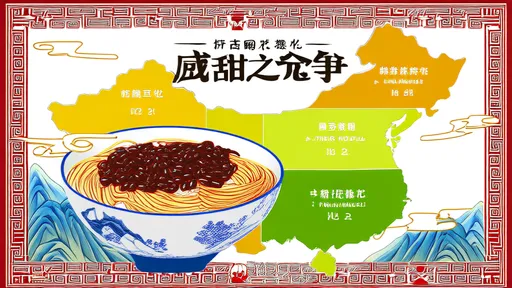
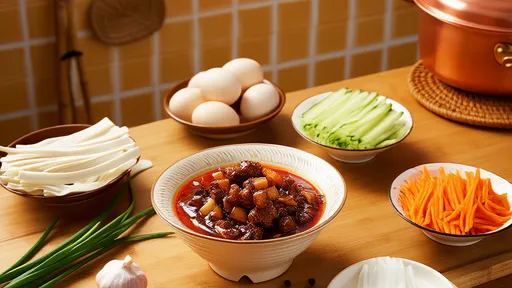
The most renowned member of this family is undoubtedly Beijing Zhajiang, the king of noodles. Its base is fermented yellow soybean paste, known as huangdoujiang, which is slowly fried with finely minced pork belly until the fat renders and the meat crisps into tiny, savory nuggets. The process is a lesson in patience and aroma; the kitchen fills with a deeply savory, slightly sweet, and profoundly meaty fragrance that is the very essence of northern Chinese cooking. The resulting sauce is thick, rich, and glossy, with a complex umami depth that forms the heart of the iconic Zhajiangmian. To serve, a generous spoonful (or two) is tossed with freshly boiled, chewy wheat noodles, then the eater customizes their bowl from a platter of fresh, crunchy accompaniments: slivers of cucumber, radish matchsticks, blanched bean sprouts, and perhaps a few edamame. The magic is in the mixing, the hot noodles melting the thick sauce just enough to coat every strand, while the fresh vegetables provide a crucial textural and temperature contrast. It’s a dish of balance and pure, unadulterated joy.
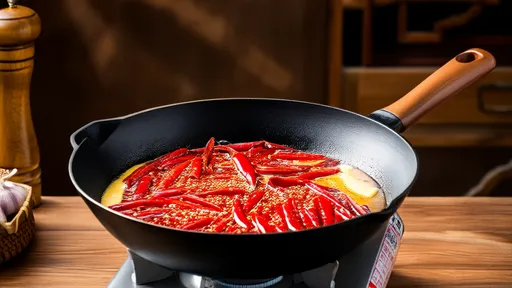
Venture south, however, and you will encounter its spirited cousin, Sichuan Zhajiang. This version is a bold declaration of intent. It starts with a base of doubanjiang, the fermented broad bean and chili paste that is the fiery soul of Sichuan cuisine. Minced pork is again the common protein, but here it is fried with the doubanjiang until the oil turns a vibrant, alarming red and the flavors become intensely pungent, spicy, and slightly funky. This is not a shy sauce. It’s a wake-up call for the senses. While it can certainly be used on noodles for a powerfully spicy version of zhajiangmian, its true calling lies elsewhere. It is the secret weapon for Mapo Tofu, providing the foundational flavor and ruddy color to the dish. A spoonful stirred into a simple stir-fry of green beans or eggplant instantly elevates it to restaurant-level intensity. It makes a magnificent filling for steamed buns (baozi), its oil seeping into the fluffy dough. This sauce is for those days when you need your food to fight back, to energize and excite.
Then there is the quiet, versatile workhorse: Plain Soybean Paste (Jiang). Often made from just fermented soybeans, salt, and water, this is the pure, unadulterated essence of the bean, without the addition of meat or strong seasonings. It is thinner, saltier, and more straightforward than its fried counterparts. Its beauty lies in its utility as a foundational seasoning. A small amount can be used to marinate meats, adding a deep, savory base note. It’s brilliant for making a quick dipping sauce for dumplings or steamed vegetables, simply mixed with a little minced garlic, rice vinegar, and chili oil. It can be thinned with water or stock to create a simple broth for poaching fish or tofu, imbuing them with a gentle, savory salinity. This jar is the unsung hero, the ingredient that works behind the scenes to build layers of flavor in a multitude of dishes, from the simplest to the most complex.
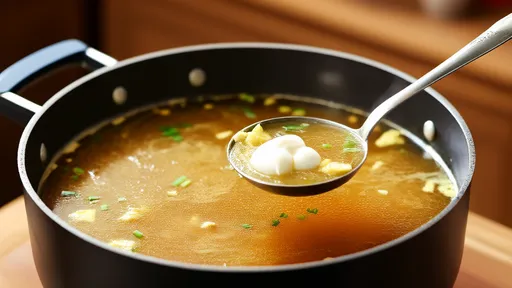
Beyond these classics, the modern pantry might also host a jar of Korean Doenjang or Japanese Miso, close relatives in the fermented bean paste family. While not traditionally called "zhajiang," they occupy a similar conceptual space and can be used in parallel ways. A thick, chunky doenjang can be quickly pan-fried with some sesame oil and minced beef to create a Korean-inspired noodle sauce that is earthy and robust. A dollop of red miso, quickly "fried" in a pan to awaken its flavors, can be whisked into hot water with some scallions and tofu for an instant, deeply satisfying miso soup that feels anything but instant. White miso, sweeter and milder, makes a glorious glaze for fish or a rich, creamy dressing for salads when blended with a little rice vinegar and oil. Recognizing these connections turns a collection of jars into a global toolkit for instant flavor.
The true art of the home cook is not just in following recipes, but in improvisation. These jars are your paint, and your refrigerator is the palette. That leftover roast chicken, shredded and looking for a purpose? Sauté it with some Beijing zhajiang and sliced bell peppers for a lightning-fast "double cooked" chicken. Those lonely zucchini and carrots in the crisper? Dice them small, stir-fry until tender, and fold in a spoonful of Sichuan zhajiang for a fiery, vegetarian-friendly rice bowl topping. Even a humble fried egg is transformed when placed on rice and drizzled with a mixture of plain soybean paste, a dash of sugar, and sesame seeds. The possibilities are limited only by your willingness to experiment. The sauces provide the powerful, pre-made flavor base; you provide the creativity.
Ultimately, these jars are more than condiments. They are a culinary safety net, a promise that a good meal is never more than ten minutes away. They represent a tradition of preserving and intensifying flavor, of making the most of what you have. In a world of hectic schedules and endless choices, there is a profound comfort in knowing that, waiting in the cupboard, is the power to create something truly delicious, something that tastes unmistakably like home. It’s the knowledge that dinner is already made; you just have to assemble it.
By /Aug 20, 2025
By /Aug 20, 2025
By /Aug 20, 2025
By /Aug 20, 2025

By /Aug 20, 2025
By /Aug 20, 2025
By /Aug 20, 2025
By /Aug 20, 2025
By /Aug 20, 2025
By /Aug 20, 2025
By /Aug 20, 2025
By /Aug 20, 2025
By /Aug 20, 2025
By /Aug 20, 2025
By /Aug 20, 2025
By /Aug 20, 2025
By /Aug 20, 2025
By /Aug 20, 2025
By /Aug 20, 2025

By /Aug 20, 2025
