In the heart of the old district, where the scent of history mingles with the aroma of freshly steamed buns, I found myself stepping into a world where time seems to stand still. Master Li, a third-generation baker with flour-dusted hands and a warm smile, welcomed me into his modest shop. His family has been perfecting the art of lao fei fa mian, or old dough fermentation, for over half a century. As he gestured toward a large ceramic jar tucked away in a cool corner, he explained that this ancient technique is not just a method but a legacy, passed down through whispers and practiced hands rather than written recipes. The jar, he said, holds the soul of his bakery—a living, breathing starter that has been nurtured and fed daily, embodying the patience and wisdom of generations.
The process begins long before dawn, when the city is still wrapped in silence. Master Li’s day starts with assessing the condition of his lao mian—the old dough starter. He carefully checks its aroma, texture, and elasticity, factors influenced by the humidity and temperature of the season. This intuitive understanding, he emphasizes, cannot be taught through measurements alone; it is cultivated through years of observation and connection. He adds a mixture of flour and water, kneading it gently into the starter, his movements rhythmic and almost meditative. The dough must be treated with respect, he notes, as if it were a living entity. Too much force, and it becomes tense; too little, and it lacks spirit. The goal is to achieve a balance where the gluten develops fully, yet the dough remains supple and alive with microbial activity.
Fermentation is where the magic truly unfolds. Unlike modern quick-rise methods that rely on commercial yeast, lao fei fa mian depends on wild yeast and lactobacilli naturally present in the environment and the starter itself. This slow fermentation, often taking anywhere from eight to twelve hours or even longer, allows for complex flavors to develop—subtle tanginess, nutty undertones, and a depth that instant yeast can never replicate. Master Li describes it as a conversation between the dough and time, one that cannot be rushed. He covers the dough with a damp cloth, placing it in a wooden trough that has absorbed decades of fermented scents, and lets nature take its course. The waiting, he says, is as crucial as the kneading; it teaches humility and reminds us that some of the best things in life require patience.
As the dough rises, it tells a story. Master Li points out the bubbles that form on the surface—a sign of active fermentation and a healthy starter. He occasionally presses a finger into the dough, watching how it springs back slowly, indicating perfect proofing. This stage is delicate; over-fermentation can lead to sourness that overpowers, while under-fermentation results in a dense, lackluster texture. His expertise lies in reading these subtle cues, a skill honed through trial and error and countless early mornings. He shares an anecdote about his grandfather, who would often say that the dough speaks to those who listen. On humid summer days, the fermentation accelerates, requiring less time, while in the dry cold of winter, it may need extra warmth and hours. Adapting to these changes is part of the artistry, a dance with nature that keeps the tradition alive and dynamic.
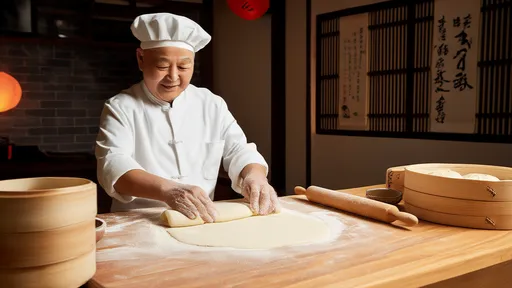
Once fermented, the dough is transformed into various staples—steamed buns, twisted rolls, or layered pancakes. Master Li demonstrates shaping mantou, effortlessly rolling and tucking the dough into smooth, round forms. Each piece is left to proof again briefly, allowing the yeast to awaken fully before meeting the steam. The result, when steamed, is a bun so light and airy it seems to float, with a tender crumb and a faint, pleasant tang that lingers on the palate. He attributes this texture to the long fermentation, which breaks down starches and proteins, making the final product not only flavorful but also easier to digest. Many of his regular customers, some of whom have been coming for decades, swear by the digestive benefits and the nostalgic taste that commercial bread simply cannot offer.
In today’s fast-paced world, where efficiency often trumps quality, techniques like lao fei fa mian risk fading into obscurity. Master Li expresses concern that younger generations lack the patience for such slow processes, opting for quicker, more profitable methods. Yet, he remains hopeful, noting a growing appreciation for artisanal and traditional foods among food enthusiasts and health-conscious consumers. He occasionally hosts workshops, sharing his knowledge with those eager to learn, though he admits that true mastery requires a lifetime of dedication. The starter, he says, is a testament to resilience; it has survived through wars, economic shifts, and changing tastes, adapting yet holding true to its essence. It symbolizes not just a culinary technique but a philosophy—that some traditions are worth preserving for the richness they bring to our lives.
Leaving Master Li’s shop, the taste of freshly steamed mantou still warm on my tongue, I reflect on the deeper lessons embedded in lao fei fa mian. It is more than a method for making bread; it is a practice of mindfulness, a connection to heritage, and a reminder of the beauty in slowness. In every bite, one can taste the care, the history, and the silent dialogue between human hands and nature’s rhythms. As modern baking continues to evolve, this ancient technique stands as a poignant counterpoint, urging us to remember that the finest things often take time, and that true artistry lies not in speed, but in the soulful patience of creation.
By /Aug 20, 2025
By /Aug 20, 2025
By /Aug 20, 2025

By /Aug 20, 2025
By /Aug 20, 2025
By /Aug 20, 2025
By /Aug 20, 2025
By /Aug 20, 2025
By /Aug 20, 2025
By /Aug 20, 2025
By /Aug 20, 2025
By /Aug 20, 2025
By /Aug 20, 2025
By /Aug 20, 2025
By /Aug 20, 2025
By /Aug 20, 2025
By /Aug 20, 2025
By /Aug 20, 2025
By /Aug 20, 2025

By /Aug 20, 2025
