Fried Batter: The Fluffy Effect of Beer Batter"

Aug 20, 2025 By

In the world of culinary arts, few techniques capture the imagination of both professional chefs and home cooks quite like the art of achieving the perfect crispy coating through frying. Among the myriad methods developed across cultures and kitchens, one particular approach has garnered significant attention for its remarkable results: the use of beer in creating an exceptionally light and airy batter. This technique, while seemingly simple, involves a fascinating interplay of chemistry, physics, and gastronomy that transforms humble ingredients into a textural masterpiece.

The fundamental principle behind any successful batter lies in its ability to create a protective, crisp shell around the food being fried, while simultaneously allowing just enough moisture to escape as steam to cook the interior without making it soggy. Traditional batters rely on a combination of flour and a liquid, usually water or milk, sometimes with the addition of eggs or leavening agents like baking powder. However, the incorporation of beer introduces a dynamic element that elevates the batter to new heights of crispness and complexity.

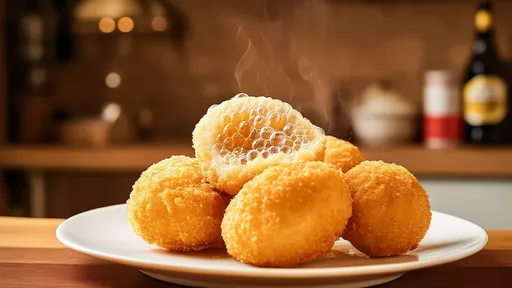
Beer, as a carbonated beverage, is inherently effervescent. This carbonation is the result of carbon dioxide gas being dissolved under pressure. When beer is mixed into a batter, these tiny, suspended CO2 bubbles become trapped within the gluten network formed by the flour. As this batter-coated food meets the intense heat of the oil, a rapid sequence of events is triggered. The heat causes the bubbles of CO2 to expand rapidly, pushing against the wet flour mixture. Simultaneously, the water in the beer and any other liquids begins to vaporize into steam, creating additional leavening action. This dual expansion—from the CO2 and the steam—forces the batter to puff up, creating a network of tiny air pockets throughout. The result is a coating that is not just thin and crisp, but remarkably light and porous, with an almost ethereal quality that shatters delightfully at the slightest pressure.

The choice of beer is far from arbitrary and can profoundly influence the final character of the fried food. Different beer styles contribute unique flavors and varying levels of carbonation. Lighter lagers and pilsners, with their crisp, clean profiles and high carbonation, are often preferred for delicate foods like fish or vegetables, as they provide maximum lift without overpowering the main ingredient's flavor. Their relatively neutral taste allows the natural flavors to shine through while bestowing that signature airy crunch. A wheat beer, or hefeweizen, can introduce subtle notes of banana or clove, adding a complex aromatic layer to the crust, which pairs wonderfully with onion rings or apple fritters. For heartier fare, such as battered sausages or chicken, a robust stout or porter might be employed. These beers offer deeper, roasted malt flavors and a creamier carbonation, which can yield a slightly denser but intensely flavorful and crisp coating. The malt sweetness can also promote more aggressive browning through the Maillard reaction, leading to a beautifully dark and savory crust.

Beyond the leavening effect, the alcohol content in beer plays a crucial and often overlooked role. Alcohol evaporates much more quickly than water. In the blistering heat of the fryer, this rapid evaporation helps to flash-dry the exterior of the batter more efficiently than a water-based batter could. This quick-setting action minimizes oil absorption, preventing the finished product from becoming greasy and heavy. It effectively creates a barrier that seals the exterior quickly, ensuring the inside steams to perfection while the outside achieves an ideal, non-greasy crispness. Furthermore, the proteins and sugars present in beer contribute to color and flavor development. The sugars caramelize upon heating, adding a subtle sweetness and a golden-brown hue, while other compounds participate in complex flavor-building reactions that give beer-battered foods their distinctive, crave-worthy taste.

Mastering the beer batter technique requires a mindful approach to preparation. The goal is to preserve as much of the beer's carbonation as possible until the moment of frying. This means mixing the batter at the last minute and handling it with a light touch. Overmixing is the enemy; it develops gluten, which can make the coating tough and chewy instead of light and crisp. A lumpy batter is perfectly acceptable—even desirable—as it is a sign that the mixture has not been overworked. The consistency should be carefully judged; it needs to be thick enough to adhere to the food but fluid enough to form a thin, even layer. Many chefs advocate for a resting period, but a very brief one—just enough time for the flour to hydrate—is best to prevent the carbonation from dissipating. The temperature of the ingredients is also critical. Using very cold beer and cold equipment helps retain CO2, leading to a more vigorous reaction in the fryer. The contrast between the ice-cold batter and the searing hot oil ensures an explosive and immediate puffing effect.

The applications for this magnificent batter are nearly endless, spanning global cuisines. It is the undisputed champion for British fish and chips, providing the iconic golden, craggy shell that encapsulates flaky, moist cod or haddock. In Japan, a similar concept is used in tempura, where some virtuoso chefs might use a sparkling beer or soda to achieve an unparalleled lightness. The American classic, the corn dog, relies on a similar fizzy batter principle for its irresistible texture. From crispy zucchini flowers in Italy to tangy fried pickles in the American South, the beer batter technique is a versatile tool in a cook's arsenal, capable of turning almost any ingredient into a fried delicacy.

In conclusion, the use of beer in frying batter is a stellar example of culinary ingenuity, where a simple ingredient swap unlocks a world of textural possibility. It is a process where science meets sensation, resulting in a crust that is celebrated for its extraordinary combination of crispness, lightness, and flavor. This method demonstrates that sometimes, the most profound improvements in cooking come not from complex equipment or obscure ingredients, but from understanding and harnessing the fundamental properties of everyday substances. The humble can of beer, therefore, is not just a beverage for refreshment but a powerful catalyst for creating fried foods that are truly sublime.
Recommend Posts
Food

Massaging and Pickling Method to Remove Bitterness from Kale

By /Aug 20, 2025

There is a quiet revolution happening in kitchens across the globe, one that involves a leafy green and a pair of willing hands. For years, kale has been both lauded for its nutritional prowess and lamented for its notoriously tough, bitter character. Many have tried to tame it with cooking, only to be met with a mushy texture and a flavor that can still carry an unpleasant bite. But a simple, almost primal technique has emerged from the realms of health food enthusiasts and professional chefs alike, promising to transform this nutritional powerhouse into a tender, flavorful, and utterly delightful ingredient. This method requires no special equipment, no complex chemical processes—just a bit of salt, some oil or acid, and the transformative power of a good massage.
Food

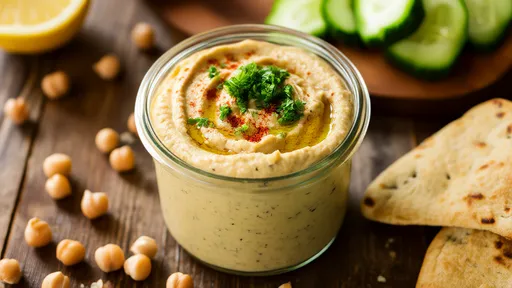
DIY Hummus: A Low-Fat, High-Protein Dip Alternative

By /Aug 20, 2025

In the ever-evolving landscape of health-conscious cuisine, the quest for nutritious yet delicious alternatives to beloved staples remains a constant pursuit. Among the pantheon of dips and spreads, hummus has long reigned supreme, celebrated for its creamy texture and versatile flavor profile. However, as dietary preferences shift towards lower fat and higher protein intake, a new champion emerges from the kitchen: a do-it-yourself, low-fat, high-protein hummus alternative that not only satisfies the palate but also aligns with modern nutritional goals. This creation isn't merely a substitute; it's a reinvention, born from creativity and a deeper understanding of what our bodies truly need.
Food

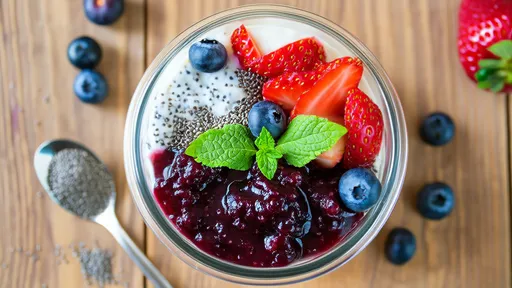
Chia Seed Pudding: Overnight Preparation for Breakfast Meal Replacement

By /Aug 20, 2025

In the ever-evolving landscape of breakfast options, few have captured the imagination and loyalty of health enthusiasts quite like chia seed pudding. This simple yet profoundly versatile dish has emerged as a staple for those seeking a nutritious, convenient, and delicious start to their day. Its rise to prominence is no accident; it perfectly aligns with the modern desire for meals that are both time-efficient and packed with wellness benefits. The concept of overnight preparation is at the very heart of its appeal, transforming a handful of basic ingredients into a creamy, satisfying pudding while you sleep. It’s a small morning miracle that requires mere minutes of evening effort.
Food

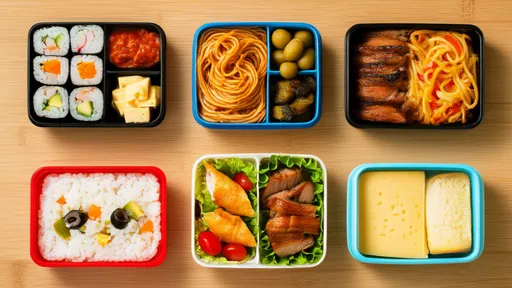
Lunch Boxes (Bento) Contents and Cultures from Different Countries

By /Aug 20, 2025

In the quiet moments of midday, across the globe, a universal ritual unfolds—the opening of a lunchbox. Yet within this simple act lies a world of cultural diversity, a silent narrative of heritage, values, and daily life. From the meticulously arranged bento boxes of Japan to the hearty, rustic tiffins of India, the contents of these portable meals are far more than mere sustenance; they are edible anthropology, offering a taste of identity and tradition in every bite.
Food

Recreating Childhood Flavors: In Search of a Vanished Snack

By /Aug 20, 2025

In the quiet corners of memory, a specific flavor often lingers, a ghost of a taste tied inextricably to childhood. For many, the quest to recapture that singular sensation—the exact crunch of a chip, the particular fizz of a soda, the unique melt of a chocolate bar that hasn't been on shelves for decades—becomes a poignant and deeply personal journey. This is not merely about nostalgia; it's a culinary archaeology, a determined mission to unearth a piece of one's past that the commercial world has deemed obsolete. The disappearance of a beloved snack is a small but significant loss, a severing of a tangible link to a simpler time, and the hunt to find it again is a story of taste, memory, and connection.
Food

Fried Batter: The Fluffy Effect of Beer Batter"

By /Aug 20, 2025

In the world of culinary arts, few techniques capture the imagination of both professional chefs and home cooks quite like the art of achieving the perfect crispy coating through frying. Among the myriad methods developed across cultures and kitchens, one particular approach has garnered significant attention for its remarkable results: the use of beer in creating an exceptionally light and airy batter. This technique, while seemingly simple, involves a fascinating interplay of chemistry, physics, and gastronomy that transforms humble ingredients into a textural masterpiece.
Food

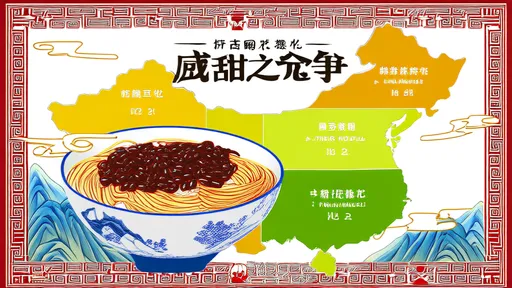
The Map of Regional Breakfast Soy Milk Saltiness and Sweetness Debates in China

By /Aug 20, 2025

In the quiet hours of morning, as the first light touches the narrow alleys of Beijing and the mist rises over the Pearl River in Guangzhou, a culinary divide as old as the soybean itself stirs to life in breakfast stalls and family kitchens across China. It is a gentle war fought not with weapons but with ladles and bowls—a debate over whether the humble doujiang, or soybean milk, should be sweetened to comfort the soul or salted to awaken the senses. This is no mere matter of taste; it is a cultural fingerprint, a geographic signature, and a daily ritual that maps the soul of a nation bite by sip.
Food

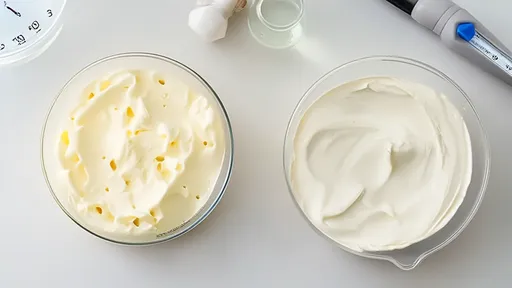
Differences in Whipping Stability between Animal and Plant Creams

By /Aug 20, 2025

The world of whipped toppings is a battleground of textures, techniques, and taste, where two primary contenders vie for dominance: dairy cream and its plant-based counterpart. For the professional pastry chef and the home baker alike, the choice between them often hinges not just on flavor or dietary preference, but on a fundamental, almost scientific property: stability. The journey from a liquid state to a voluminous, airy foam is a delicate dance of physics and chemistry, and the two creams perform this dance to entirely different rhythms. Understanding the nature of their stability—or lack thereof—is key to mastering their use in the kitchen.
Food

Documenting a Complete Process of Homemade Bacon at Home

By /Aug 20, 2025

There is something almost sacred about the scent of curing meat that fills the home in the deep of winter. It is a fragrance that speaks of tradition, of patience, and of a connection to a culinary past that modern convenience often obscures. For my family, the annual ritual of making lap yuk, or Chinese cured pork belly, is not merely a cooking project; it is a pilgrimage back to our roots, a hands-on history lesson conducted in the kitchen. This year, I decided to document the entire process, from the first sprinkle of salt to the final, glistening slice, to capture not just the steps, but the soul of this age-old preservation technique.
Food

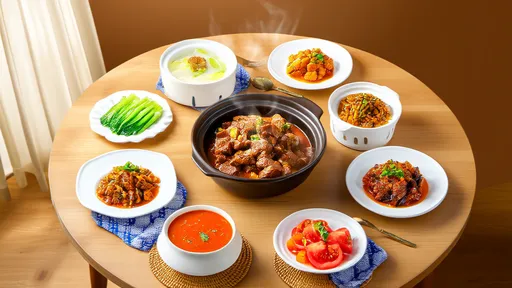
Principles and Techniques for Designing Family Gathering Menus

By /Aug 20, 2025

Family gatherings around the dining table form some of our most cherished memories, and the menu served plays a pivotal role in setting the tone for these occasions. Crafting a well-thought-out meal goes beyond simply choosing dishes everyone likes; it involves balancing flavors, textures, colors, and nutritional elements to create a harmonious and satisfying experience. Whether it’s a festive holiday feast or a simple Sunday dinner, the principles of menu design can help turn a good meal into an unforgettable one.
Food

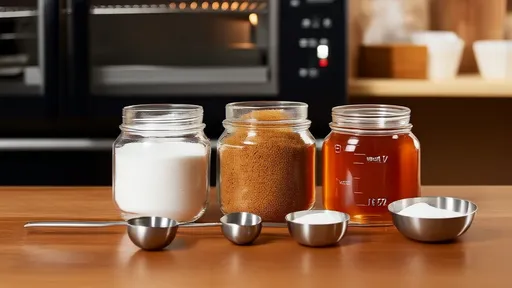
Substitution Ratios and Effects of Different Sweeteners (Sugar/Brown Sugar/Honey) in Baking

By /Aug 20, 2025

In the world of baking, sugar is far more than just a sweetener. It plays multiple roles from providing structure and texture to contributing to browning and moisture retention. While granulated sugar is the standard in most recipes, many bakers explore alternatives like brown sugar or honey for flavor variations, dietary preferences, or simply what’s available in the pantry. However, substituting one type of sugar for another isn’t always a straightforward one-to-one swap. Each sweetener brings its own chemical properties and moisture content, which can significantly alter the outcome of your baked goods. Understanding these differences is key to successful substitutions.
Food

No-Additive Fruit Leather: Tutorial for Pitted Hawthorn Cooking and Drying"

By /Aug 20, 2025

In the realm of traditional snacks, few treats carry the nostalgic charm and wholesome simplicity of fruit leathers. Among these, hawthorn fruit leather, known as Guodanpi in Chinese, stands out for its tangy flavor and cultural significance. With growing consumer interest in clean eating and transparency in food production, the demand for zero-additive versions of such classics has surged. This article delves into the meticulous process of crafting hawthorn fruit leather from scratch, emphasizing a pure, additive-free approach that honors tradition while catering to modern health-conscious preferences.
Food

Several Common Homemade Zhajiang Sauces and Their Different Ways of Eating

By /Aug 20, 2025

There is a certain alchemy to the pantry that speaks of home, a collection of jars and bottles that hold not just ingredients, but possibilities. Among these, the various jars of zhajiang, or fried sauce, stand as humble sentinels of flavor, ready to transform the simplest of ingredients into a meal that comforts the soul. This is not about a single, monolithic sauce, but a family of them, each with its own character, history, and culinary destiny. To understand them is to unlock a world of quick, delicious, and deeply satisfying eating right from your own kitchen.
Food

The Science of Skimming Foam from Broth: The Coagulation Principle of Proteins

By /Aug 20, 2025

There is an almost meditative quality to watching a pot of stock come to life. First, the gentle simmer, a quiet prelude to the culinary symphony about to unfold. Then, the first signs of activity: tiny, off-white particles begin to separate from the bones and meat, clouding the water. Soon after, a frothy, greyish foam gathers on the surface, a seemingly undesirable scum that most recipes instruct you to diligently remove with a spoon. This act of skimming is one of the most fundamental, almost ritualistic steps in stock-making, passed down through generations of chefs and home cooks. But to view it merely as a cleaning step is to miss a fascinating display of food science in action, a process governed by the delicate and precise behavior of proteins when they meet heat.
Food

Exploring Local Noodle Masters: Documenting Lao Fei's Noodle Fermentation Techniques"

By /Aug 20, 2025

In the heart of the old district, where the scent of history mingles with the aroma of freshly steamed buns, I found myself stepping into a world where time seems to stand still. Master Li, a third-generation baker with flour-dusted hands and a warm smile, welcomed me into his modest shop. His family has been perfecting the art of lao fei fa mian, or old dough fermentation, for over half a century. As he gestured toward a large ceramic jar tucked away in a cool corner, he explained that this ancient technique is not just a method but a legacy, passed down through whispers and practiced hands rather than written recipes. The jar, he said, holds the soul of his bakery—a living, breathing starter that has been nurtured and fed daily, embodying the patience and wisdom of generations.
Food

Unearthing Local Specialty Seasonings Hidden in the Vegetable Market

By /Aug 20, 2025

In the bustling alleys of local markets, far from the sanitized aisles of supermarkets, lies a treasure trove of culinary secrets waiting to be unearthed. These are not the mass-produced sauces and seasonings that line global grocery shelves, but rather the hidden gems of regional flavor—artisanal, often homemade condiments that tell the story of a place, its people, and their palate. To discover them is to embark on a sensory journey through culture and tradition, one taste at a time.
Food

Stir-frying" Temperature: At What Oil Heat Level Should Dried Chili Peppers Be Added to Prevent Burning?

By /Aug 20, 2025

In the sizzling world of wok cooking, few ingredients command as much respect and caution as the dried chili pepper. Its transformation from a wrinkled, dormant pod to a fragrant, flavor-releasing powerhouse hinges entirely on one critical factor: oil temperature. Mastering this moment—the precise point at which dried chilis meet hot oil—is what separates a dish infused with deep, aromatic warmth from one marred by the acrid, bitter taste of scorched capsicum. This is not merely a step in a recipe; it is a fundamental principle of fire and flavor.
Food

Cooking with Residual Heat"

By /Aug 20, 2025

In the bustling world of modern cooking, where high-tech appliances and rapid techniques often take center stage, there exists a quiet, almost forgotten method that harnesses the simplest of principles: residual heat. This technique, known in various culinary traditions but perhaps most elegantly expressed in the Chinese concept of "finishing with residual heat," is a testament to the power of patience and the intelligent use of energy. It’s a practice that not only yields exceptionally tender and flavorful results but also speaks to a more sustainable, thoughtful approach to food preparation.
Food

One-Pot One-Person Meal Recipes: Balancing Nutrition and Efficiency

By /Aug 20, 2025

In the bustling rhythm of modern life, the art of preparing a wholesome meal for one often falls by the wayside, sacrificed at the altar of convenience and time. The notion of cooking a complete, nutritious dish in a single pot, pan, or appliance has emerged not merely as a trend but as a vital strategy for the solo diner seeking to nourish both body and soul without succumbing to the monotony of repetitive meals or the nutritional void of processed convenience foods. This approach, elegantly simple in its execution, champions efficiency without compromise, weaving together flavors, textures, and essential nutrients into a symphony of sustenance crafted specifically for one.
Food

Differences in Flavor Between Cold Brew Coffee and Iced Coffee

By /Aug 20, 2025

In the ever-evolving world of coffee connoisseurship, the debate between cold brew and iced coffee often centers on their preparation methods, but a less explored yet equally fascinating aspect is how these beverages evolve when subjected to refrigeration. The journey of flavor from the moment of brewing to days later in your fridge is a tale of chemistry, patience, and distinct sensory profiles. While both might appear similar in a glass filled with ice, their inherent characteristics and reactions to cold storage set them on divergent paths, creating two uniquely different experiences for the palate.