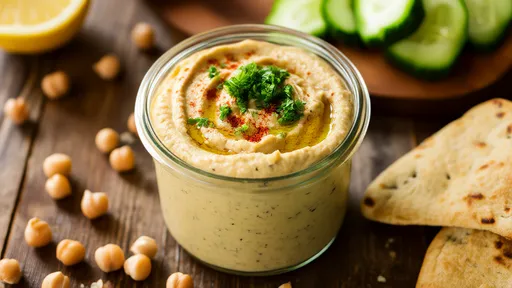
In the ever-evolving landscape of health-conscious cuisine, the quest for nutritious yet delicious alternatives to beloved staples remains a constant pursuit. Among the pantheon of dips and spreads, hummus has long reigned supreme, celebrated for its creamy texture and versatile flavor profile. However, as dietary preferences shift towards lower fat and higher protein intake, a new champion emerges from the kitchen: a do-it-yourself, low-fat, high-protein hummus alternative that not only satisfies the palate but also aligns with modern nutritional goals. This creation isn't merely a substitute; it's a reinvention, born from creativity and a deeper understanding of what our bodies truly need.
The traditional hummus, while undeniably tasty, often relies heavily on tahini and olive oil, ingredients that contribute significantly to its fat content. For those monitoring their lipid intake or seeking a leaner option, this can pose a dilemma. Enter the DIY approach, where innovation meets intention. By reimagining the core components, we can craft a dip that slashes unnecessary fats while amplifying protein, turning a simple snack into a powerhouse of nutrition. The journey begins not with abandonment of tradition, but with thoughtful modification, ensuring that every spoonful delivers both flavor and function.
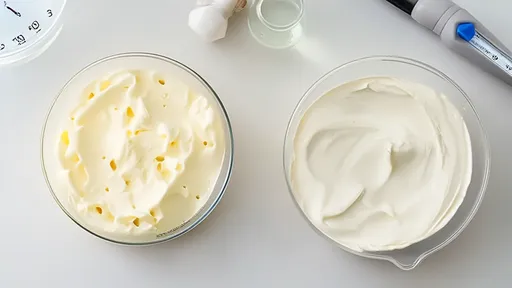
Central to this transformation is the strategic selection of ingredients. Chickpeas, the heart of classic hummus, are already a respectable source of plant-based protein, but why stop there? Incorporating additional protein-rich elements can elevate the nutritional profile dramatically. Consider the use of Greek yogurt or silken tofu as a base replacement for tahini; these alternatives introduce a creamy consistency without the high fat, while contributing a substantial protein boost. Greek yogurt, in particular, offers a tangy twist that complements the earthy notes of chickpeas, creating a harmonious blend that feels both familiar and refreshingly new.
Beyond mere substitution, the process of crafting this dip invites experimentation with flavors and textures. Spices such as cumin, paprika, or smoked cayenne can add depth without adding calories, while fresh herbs like parsley or cilantro introduce a burst of freshness. For those who enjoy a bit of crunch, topping the dip with roasted seeds or nuts—in moderation—can provide satisfying texture and additional nutrients. The beauty of this DIY endeavor lies in its adaptability; it becomes a canvas for personal expression, allowing each creator to tailor the dip to their specific tastes and dietary needs.
But the benefits extend beyond the nutritional facts. Preparing your own hummus alternative fosters a deeper connection to the food you consume. In a world where processed options abound, taking the time to blend, season, and taste your creation is an act of mindfulness. It encourages an appreciation for whole ingredients and their inherent qualities, transforming the kitchen into a laboratory of wellness. This hands-on approach not only yields a healthier product but also cultivates a sense of accomplishment and ownership over one's dietary choices.
Moreover, this low-fat, high-protein dip isn't confined to mere snacking. Its versatility shines in various culinary applications. Use it as a spread on whole-grain wraps or sandwiches, adding a protein punch to your lunch without the heaviness of traditional spreads. It can serve as a vibrant accompaniment to vegetable sticks, whole-grain crackers, or even as a topping for baked potatoes, transforming simple dishes into nutrient-dense meals. The dip's adaptability makes it a staple for those seeking to maintain a balanced diet without sacrificing flavor or convenience.
For athletes and fitness enthusiasts, this creation is nothing short of a game-changer. Post-workout nutrition demands quick, digestible protein to aid muscle recovery, and this hummus alternative fits the bill perfectly. Unlike many commercial protein snacks that are laden with additives, this homemade version offers clean, recognizable ingredients that support physical goals without unnecessary processed elements. Pair it with carrot sticks or apple slices for a refreshing, replenishing snack that fuels the body efficiently and deliciously.
Environmental and economic considerations also come into play. By making your own dip, you reduce reliance on packaged goods, cutting down on plastic waste and carbon footprint associated with store-bought products. Purchasing ingredients in bulk, such as dried chickpeas or large containers of yogurt, can be more cost-effective in the long run, making healthy eating accessible and sustainable. This approach aligns with a broader movement towards conscious consumption, where every choice—from ingredient source to preparation method—reflects a commitment to personal and planetary health.
In crafting this alternative, it's crucial to address potential pitfalls. The absence of tahini and reduced oil can sometimes lead to a dip that lacks the richness or mouthfeel of traditional hummus. However, this can be mitigated through clever techniques. For instance, reserving the aquafaba—the liquid from canned chickpeas—and incorporating it during blending can introduce a light, airy texture without adding fat. Similarly, a splash of lemon juice or apple cider vinegar can enhance brightness, compensating for any perceived loss in depth. The key is to balance acidity, creaminess, and seasoning, creating a product that stands proudly on its own merits.
Ultimately, this DIY hummus alternative represents more than just a recipe; it's a testament to the evolving dialogue around food and health. It challenges the notion that nutritious must mean bland or restrictive, proving that with a bit of creativity, we can enjoy the foods we love in ways that better serve our bodies. It invites us to question conventions, experiment fearlessly, and take control of our culinary destinies. So, the next time you crave a creamy, satisfying dip, consider reaching not for the store-bought tub, but for the blender and a handful of wholesome ingredients. Your body—and your taste buds—will thank you.
As we continue to navigate the complexities of modern nutrition, innovations like this low-fat, high-protein hummus alternative illuminate a path forward. They remind us that health and indulgence need not be mutually exclusive, and that the most profound changes often begin in our own kitchens. So embrace the experiment, savor the process, and delight in the delicious results. After all, the future of food is not just about what we eat, but how we choose to create it.
By /Aug 20, 2025
By /Aug 20, 2025
By /Aug 20, 2025
By /Aug 20, 2025

By /Aug 20, 2025

By /Aug 20, 2025
By /Aug 20, 2025
By /Aug 20, 2025

By /Aug 20, 2025
By /Aug 20, 2025
By /Aug 20, 2025
By /Aug 20, 2025
By /Aug 20, 2025
By /Aug 20, 2025

By /Aug 20, 2025
By /Aug 20, 2025
By /Aug 20, 2025
By /Aug 20, 2025
By /Aug 20, 2025
By /Aug 20, 2025
