One-Pot One-Person Meal Recipes: Balancing Nutrition and Efficiency

Aug 20, 2025 By

In the bustling rhythm of modern life, the art of preparing a wholesome meal for one often falls by the wayside, sacrificed at the altar of convenience and time. The notion of cooking a complete, nutritious dish in a single pot, pan, or appliance has emerged not merely as a trend but as a vital strategy for the solo diner seeking to nourish both body and soul without succumbing to the monotony of repetitive meals or the nutritional void of processed convenience foods. This approach, elegantly simple in its execution, champions efficiency without compromise, weaving together flavors, textures, and essential nutrients into a symphony of sustenance crafted specifically for one.

The philosophy behind a successful one-pot meal for one hinges on a delicate balance. It is a culinary tightrope walk between maximizing flavor development and minimizing cleanup, between ensuring a diverse intake of macro and micronutrients and avoiding food waste. The solitary cook is both architect and beneficiary, designing a meal that is as practical to create as it is pleasurable to consume. This is not about hastily throwing ingredients together; it is a mindful practice of selecting components that cook in harmony, each element contributing its unique properties to the final dish while being ready at precisely the same moment.

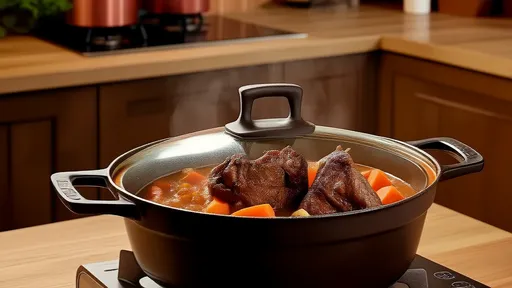
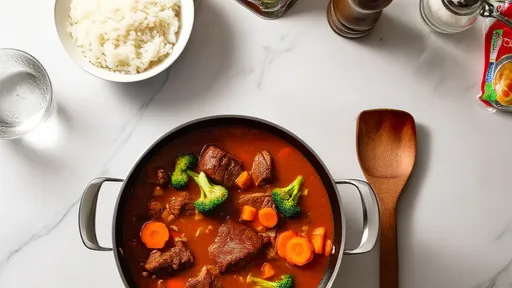
At the heart of this endeavor lies the strategic selection of a protein source. A single chicken thigh, a small fillet of salmon, a handful of shrimp, or a cup of cubed tofu or tempeh provides the foundational building block for muscle repair and satiety. The key is to choose a portion size that is satisfying but not excessive, typically ranging between 100 to 150 grams. This protein is often seared or sautéed first, its browned edges and rendered fats forming the flavor base for the entire dish, a crucial step that transforms mere cooking into building a depth of taste that belies the simplicity of the method.

Vegetables form the vibrant, colorful, and nutrient-dense core of the meal. The beauty of the one-pot method is its versatility; almost any vegetable can be incorporated. Sturdy roots like carrots, potatoes, and sweet potatoes add carbohydrates for energy and a satisfying heartiness. Leafy greens like spinach or kale, added in the final minutes, wilt into the dish, providing a boost of vitamins and minerals. Cruciferous vegetables like broccoli or cauliflower florets offer fiber and texture. The goal is to create a rainbow on the plate, ensuring a wide spectrum of phytonutrients, antioxidants, and fiber are consumed with every bite.

To bind these elements together and create a cohesive dish, a liquid component and a starch are often introduced. A quarter cup of quinoa, a small handful of pasta, or half a cup of rice can be added directly to the pot, absorbing the cooking liquids and the melded flavors of the protein and vegetables. This not only thickens the dish into a stew, pilaf, or saucy mixture but also provides complex carbohydrates for sustained energy release. The liquid itself—be it a rich broth, a splash of coconut milk, a tangy tomato sauce, or simply water—becomes the carrier of flavor, simmering and reducing to create a sauce that requires no additional thickening or finishing.

Efficiency is further amplified by the clever use of kitchen tools. While a sturdy Dutch oven or a deep skillet is the traditional workhorse, modern appliances like a multi-cooker or an air fryer have revolutionized the one-pot concept for one. These devices offer set-and-forget convenience, precise temperature control, and remarkably fast cooking times, often completing an entire meal in under twenty minutes. They eliminate the need for constant stirring or monitoring, freeing the cook to attend to other tasks, thus truly honoring the promise of a meal that is both time-efficient and hands-off.

Beyond the mechanics of cooking, the psychological benefits are profound. Sitting down to a hot, intentionally prepared meal, especially after a long day, is an act of self-care. It is a declaration that one's own well-being is worth the effort, however minimal that effort may be. The ritual of cooking and eating a complete meal can provide a sense of accomplishment and normalcy, a grounding moment in an otherwise chaotic day. It transforms eating from a mundane task into a nourishing ritual, fostering a healthier relationship with food.

Finally, the one-pot approach is inherently sustainable and economical. Cooking a single portion precisely eliminates food waste, a common pitfall of traditional recipes designed for families. It allows for the use of leftover ingredients in creative ways—a lone carrot, half an onion, a single sausage—items that might otherwise languish in the refrigerator. This mindful consumption is not only good for the wallet but also for the planet, reducing the environmental footprint one carefully crafted meal at a time.

In essence, the one-pot meal for one is far more than a cooking technique; it is a holistic approach to solo dining. It seamlessly merges the non-negotiable demand for efficiency with the profound need for proper nutrition and culinary enjoyment. It proves that eating alone need not be lonely or lackluster. Instead, it can be an opportunity for creativity, mindfulness, and profound satisfaction, a daily celebration of self-reliance and well-being that is cooked, served, and savored from a single vessel.
Recommend Posts
Food

Massaging and Pickling Method to Remove Bitterness from Kale

By /Aug 20, 2025

There is a quiet revolution happening in kitchens across the globe, one that involves a leafy green and a pair of willing hands. For years, kale has been both lauded for its nutritional prowess and lamented for its notoriously tough, bitter character. Many have tried to tame it with cooking, only to be met with a mushy texture and a flavor that can still carry an unpleasant bite. But a simple, almost primal technique has emerged from the realms of health food enthusiasts and professional chefs alike, promising to transform this nutritional powerhouse into a tender, flavorful, and utterly delightful ingredient. This method requires no special equipment, no complex chemical processes—just a bit of salt, some oil or acid, and the transformative power of a good massage.
Food

DIY Hummus: A Low-Fat, High-Protein Dip Alternative

By /Aug 20, 2025

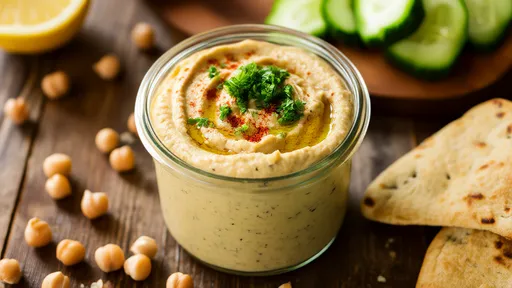
In the ever-evolving landscape of health-conscious cuisine, the quest for nutritious yet delicious alternatives to beloved staples remains a constant pursuit. Among the pantheon of dips and spreads, hummus has long reigned supreme, celebrated for its creamy texture and versatile flavor profile. However, as dietary preferences shift towards lower fat and higher protein intake, a new champion emerges from the kitchen: a do-it-yourself, low-fat, high-protein hummus alternative that not only satisfies the palate but also aligns with modern nutritional goals. This creation isn't merely a substitute; it's a reinvention, born from creativity and a deeper understanding of what our bodies truly need.
Food

Chia Seed Pudding: Overnight Preparation for Breakfast Meal Replacement

By /Aug 20, 2025

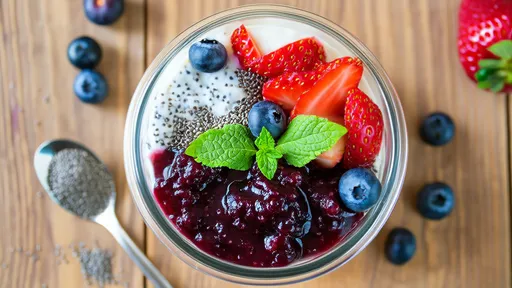
In the ever-evolving landscape of breakfast options, few have captured the imagination and loyalty of health enthusiasts quite like chia seed pudding. This simple yet profoundly versatile dish has emerged as a staple for those seeking a nutritious, convenient, and delicious start to their day. Its rise to prominence is no accident; it perfectly aligns with the modern desire for meals that are both time-efficient and packed with wellness benefits. The concept of overnight preparation is at the very heart of its appeal, transforming a handful of basic ingredients into a creamy, satisfying pudding while you sleep. It’s a small morning miracle that requires mere minutes of evening effort.
Food

Lunch Boxes (Bento) Contents and Cultures from Different Countries

By /Aug 20, 2025

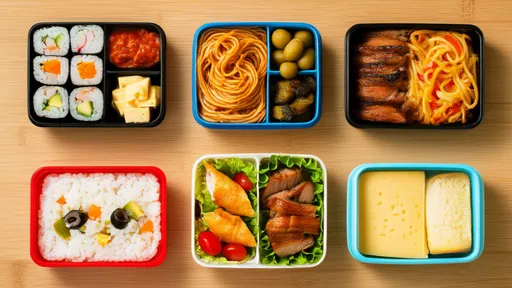
In the quiet moments of midday, across the globe, a universal ritual unfolds—the opening of a lunchbox. Yet within this simple act lies a world of cultural diversity, a silent narrative of heritage, values, and daily life. From the meticulously arranged bento boxes of Japan to the hearty, rustic tiffins of India, the contents of these portable meals are far more than mere sustenance; they are edible anthropology, offering a taste of identity and tradition in every bite.
Food

Recreating Childhood Flavors: In Search of a Vanished Snack

By /Aug 20, 2025

In the quiet corners of memory, a specific flavor often lingers, a ghost of a taste tied inextricably to childhood. For many, the quest to recapture that singular sensation—the exact crunch of a chip, the particular fizz of a soda, the unique melt of a chocolate bar that hasn't been on shelves for decades—becomes a poignant and deeply personal journey. This is not merely about nostalgia; it's a culinary archaeology, a determined mission to unearth a piece of one's past that the commercial world has deemed obsolete. The disappearance of a beloved snack is a small but significant loss, a severing of a tangible link to a simpler time, and the hunt to find it again is a story of taste, memory, and connection.
Food

Fried Batter: The Fluffy Effect of Beer Batter"

By /Aug 20, 2025

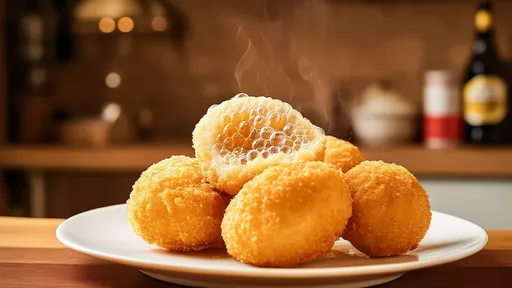
In the world of culinary arts, few techniques capture the imagination of both professional chefs and home cooks quite like the art of achieving the perfect crispy coating through frying. Among the myriad methods developed across cultures and kitchens, one particular approach has garnered significant attention for its remarkable results: the use of beer in creating an exceptionally light and airy batter. This technique, while seemingly simple, involves a fascinating interplay of chemistry, physics, and gastronomy that transforms humble ingredients into a textural masterpiece.
Food

The Map of Regional Breakfast Soy Milk Saltiness and Sweetness Debates in China

By /Aug 20, 2025

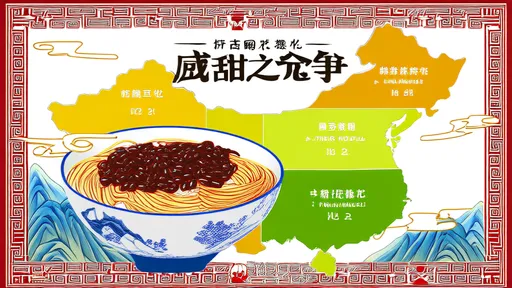
In the quiet hours of morning, as the first light touches the narrow alleys of Beijing and the mist rises over the Pearl River in Guangzhou, a culinary divide as old as the soybean itself stirs to life in breakfast stalls and family kitchens across China. It is a gentle war fought not with weapons but with ladles and bowls—a debate over whether the humble doujiang, or soybean milk, should be sweetened to comfort the soul or salted to awaken the senses. This is no mere matter of taste; it is a cultural fingerprint, a geographic signature, and a daily ritual that maps the soul of a nation bite by sip.
Food

Differences in Whipping Stability between Animal and Plant Creams

By /Aug 20, 2025

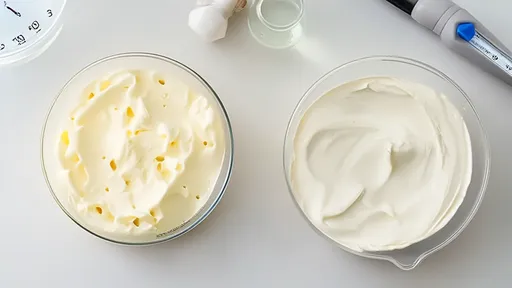
The world of whipped toppings is a battleground of textures, techniques, and taste, where two primary contenders vie for dominance: dairy cream and its plant-based counterpart. For the professional pastry chef and the home baker alike, the choice between them often hinges not just on flavor or dietary preference, but on a fundamental, almost scientific property: stability. The journey from a liquid state to a voluminous, airy foam is a delicate dance of physics and chemistry, and the two creams perform this dance to entirely different rhythms. Understanding the nature of their stability—or lack thereof—is key to mastering their use in the kitchen.
Food

Documenting a Complete Process of Homemade Bacon at Home

By /Aug 20, 2025

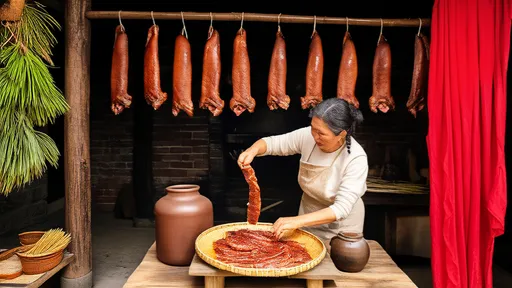
There is something almost sacred about the scent of curing meat that fills the home in the deep of winter. It is a fragrance that speaks of tradition, of patience, and of a connection to a culinary past that modern convenience often obscures. For my family, the annual ritual of making lap yuk, or Chinese cured pork belly, is not merely a cooking project; it is a pilgrimage back to our roots, a hands-on history lesson conducted in the kitchen. This year, I decided to document the entire process, from the first sprinkle of salt to the final, glistening slice, to capture not just the steps, but the soul of this age-old preservation technique.
Food

Principles and Techniques for Designing Family Gathering Menus

By /Aug 20, 2025

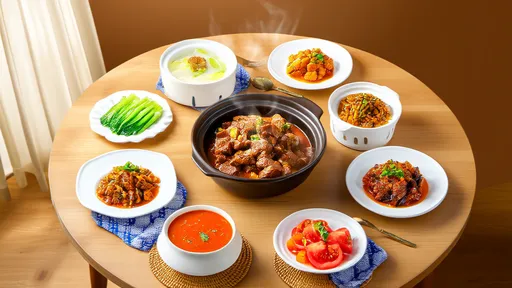
Family gatherings around the dining table form some of our most cherished memories, and the menu served plays a pivotal role in setting the tone for these occasions. Crafting a well-thought-out meal goes beyond simply choosing dishes everyone likes; it involves balancing flavors, textures, colors, and nutritional elements to create a harmonious and satisfying experience. Whether it’s a festive holiday feast or a simple Sunday dinner, the principles of menu design can help turn a good meal into an unforgettable one.
Food

Substitution Ratios and Effects of Different Sweeteners (Sugar/Brown Sugar/Honey) in Baking

By /Aug 20, 2025

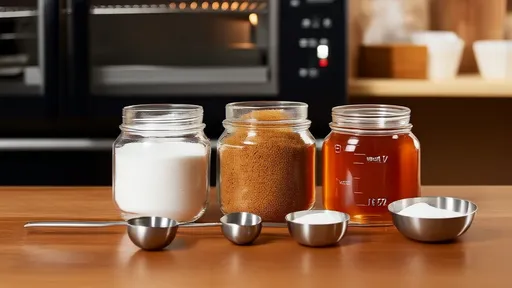
In the world of baking, sugar is far more than just a sweetener. It plays multiple roles from providing structure and texture to contributing to browning and moisture retention. While granulated sugar is the standard in most recipes, many bakers explore alternatives like brown sugar or honey for flavor variations, dietary preferences, or simply what’s available in the pantry. However, substituting one type of sugar for another isn’t always a straightforward one-to-one swap. Each sweetener brings its own chemical properties and moisture content, which can significantly alter the outcome of your baked goods. Understanding these differences is key to successful substitutions.
Food

No-Additive Fruit Leather: Tutorial for Pitted Hawthorn Cooking and Drying"

By /Aug 20, 2025

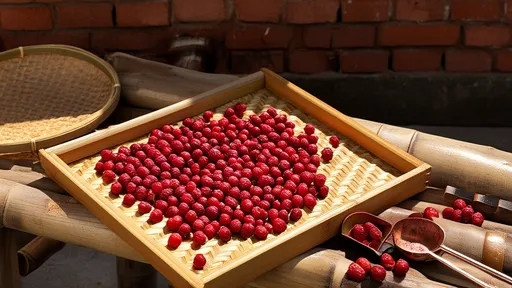
In the realm of traditional snacks, few treats carry the nostalgic charm and wholesome simplicity of fruit leathers. Among these, hawthorn fruit leather, known as Guodanpi in Chinese, stands out for its tangy flavor and cultural significance. With growing consumer interest in clean eating and transparency in food production, the demand for zero-additive versions of such classics has surged. This article delves into the meticulous process of crafting hawthorn fruit leather from scratch, emphasizing a pure, additive-free approach that honors tradition while catering to modern health-conscious preferences.
Food

Several Common Homemade Zhajiang Sauces and Their Different Ways of Eating

By /Aug 20, 2025

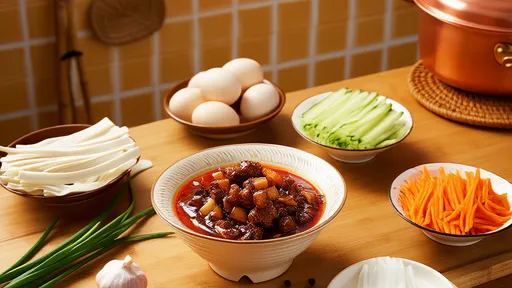
There is a certain alchemy to the pantry that speaks of home, a collection of jars and bottles that hold not just ingredients, but possibilities. Among these, the various jars of zhajiang, or fried sauce, stand as humble sentinels of flavor, ready to transform the simplest of ingredients into a meal that comforts the soul. This is not about a single, monolithic sauce, but a family of them, each with its own character, history, and culinary destiny. To understand them is to unlock a world of quick, delicious, and deeply satisfying eating right from your own kitchen.
Food

The Science of Skimming Foam from Broth: The Coagulation Principle of Proteins

By /Aug 20, 2025

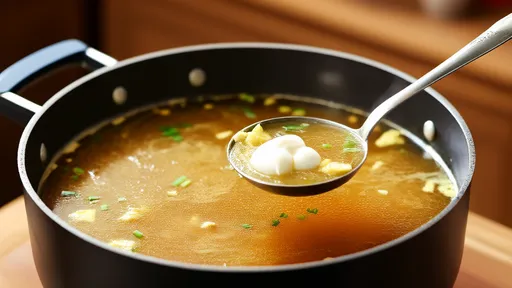
There is an almost meditative quality to watching a pot of stock come to life. First, the gentle simmer, a quiet prelude to the culinary symphony about to unfold. Then, the first signs of activity: tiny, off-white particles begin to separate from the bones and meat, clouding the water. Soon after, a frothy, greyish foam gathers on the surface, a seemingly undesirable scum that most recipes instruct you to diligently remove with a spoon. This act of skimming is one of the most fundamental, almost ritualistic steps in stock-making, passed down through generations of chefs and home cooks. But to view it merely as a cleaning step is to miss a fascinating display of food science in action, a process governed by the delicate and precise behavior of proteins when they meet heat.
Food

Exploring Local Noodle Masters: Documenting Lao Fei's Noodle Fermentation Techniques"

By /Aug 20, 2025

In the heart of the old district, where the scent of history mingles with the aroma of freshly steamed buns, I found myself stepping into a world where time seems to stand still. Master Li, a third-generation baker with flour-dusted hands and a warm smile, welcomed me into his modest shop. His family has been perfecting the art of lao fei fa mian, or old dough fermentation, for over half a century. As he gestured toward a large ceramic jar tucked away in a cool corner, he explained that this ancient technique is not just a method but a legacy, passed down through whispers and practiced hands rather than written recipes. The jar, he said, holds the soul of his bakery—a living, breathing starter that has been nurtured and fed daily, embodying the patience and wisdom of generations.
Food

Unearthing Local Specialty Seasonings Hidden in the Vegetable Market

By /Aug 20, 2025

In the bustling alleys of local markets, far from the sanitized aisles of supermarkets, lies a treasure trove of culinary secrets waiting to be unearthed. These are not the mass-produced sauces and seasonings that line global grocery shelves, but rather the hidden gems of regional flavor—artisanal, often homemade condiments that tell the story of a place, its people, and their palate. To discover them is to embark on a sensory journey through culture and tradition, one taste at a time.
Food

Stir-frying" Temperature: At What Oil Heat Level Should Dried Chili Peppers Be Added to Prevent Burning?

By /Aug 20, 2025

In the sizzling world of wok cooking, few ingredients command as much respect and caution as the dried chili pepper. Its transformation from a wrinkled, dormant pod to a fragrant, flavor-releasing powerhouse hinges entirely on one critical factor: oil temperature. Mastering this moment—the precise point at which dried chilis meet hot oil—is what separates a dish infused with deep, aromatic warmth from one marred by the acrid, bitter taste of scorched capsicum. This is not merely a step in a recipe; it is a fundamental principle of fire and flavor.
Food

Cooking with Residual Heat"

By /Aug 20, 2025

In the bustling world of modern cooking, where high-tech appliances and rapid techniques often take center stage, there exists a quiet, almost forgotten method that harnesses the simplest of principles: residual heat. This technique, known in various culinary traditions but perhaps most elegantly expressed in the Chinese concept of "finishing with residual heat," is a testament to the power of patience and the intelligent use of energy. It’s a practice that not only yields exceptionally tender and flavorful results but also speaks to a more sustainable, thoughtful approach to food preparation.
Food

One-Pot One-Person Meal Recipes: Balancing Nutrition and Efficiency

By /Aug 20, 2025

In the bustling rhythm of modern life, the art of preparing a wholesome meal for one often falls by the wayside, sacrificed at the altar of convenience and time. The notion of cooking a complete, nutritious dish in a single pot, pan, or appliance has emerged not merely as a trend but as a vital strategy for the solo diner seeking to nourish both body and soul without succumbing to the monotony of repetitive meals or the nutritional void of processed convenience foods. This approach, elegantly simple in its execution, champions efficiency without compromise, weaving together flavors, textures, and essential nutrients into a symphony of sustenance crafted specifically for one.
Food

Differences in Flavor Between Cold Brew Coffee and Iced Coffee

By /Aug 20, 2025

In the ever-evolving world of coffee connoisseurship, the debate between cold brew and iced coffee often centers on their preparation methods, but a less explored yet equally fascinating aspect is how these beverages evolve when subjected to refrigeration. The journey of flavor from the moment of brewing to days later in your fridge is a tale of chemistry, patience, and distinct sensory profiles. While both might appear similar in a glass filled with ice, their inherent characteristics and reactions to cold storage set them on divergent paths, creating two uniquely different experiences for the palate.