Family gatherings around the dining table form some of our most cherished memories, and the menu served plays a pivotal role in setting the tone for these occasions. Crafting a well-thought-out meal goes beyond simply choosing dishes everyone likes; it involves balancing flavors, textures, colors, and nutritional elements to create a harmonious and satisfying experience. Whether it’s a festive holiday feast or a simple Sunday dinner, the principles of menu design can help turn a good meal into an unforgettable one.
One of the foundational aspects of designing a family gathering menu is considering the diversity of tastes and dietary preferences present. In many households, you might have a mix of adventurous eaters, picky children, older relatives with specific nutritional needs, and perhaps even guests with dietary restrictions such as vegetarian, gluten-free, or lactose-intolerant requirements. A successful menu acknowledges these variations without compromising on cohesion or flavor. It’s about finding common ground—dishes that can be easily adapted or served in a way that allows everyone to customize their plate. For example, a taco or baked potato bar offers a central theme with various toppings, enabling each person to tailor their meal to their liking.
Seasonality should also guide your menu planning. Ingredients that are in season not only taste better but are often more affordable and environmentally sustainable. A spring menu might highlight fresh peas, asparagus, and strawberries, while a fall gathering could showcase squash, apples, and root vegetables. Cooking with seasonal produce connects the meal to the time of year, making it feel special and appropriate. Moreover, it encourages creativity; as the available ingredients change, so do the opportunities to try new recipes or put a fresh twist on family favorites.
The structure of the meal is another critical element. A traditional full-course dinner often includes an appetizer, main course, sides, and dessert, but not every family gathering needs to follow this format. Sometimes, a buffet-style spread with a variety of hearty salads, proteins, and bread works better, especially for larger groups where seating may be informal. The key is to ensure that the menu has a natural flow, with each component complementing the others. You wouldn’t want every dish to be heavily creamy or overly spicy; instead, aim for a balance that keeps the palate engaged throughout the meal.
Flavor profiling is where the art of menu design truly comes to life. Think about how the tastes, aromas, and textures interact across different dishes. A rich, savory main like roasted meat or a creamy casserole might be balanced with a bright, acidic side such as a citrus-dressed salad or pickled vegetables. Contrasting textures—crispy, soft, crunchy, smooth—add interest and prevent monotony. Herbs and spices can tie the menu together; for instance, using rosemary in multiple dishes creates a subtle thematic thread without making everything taste the same.
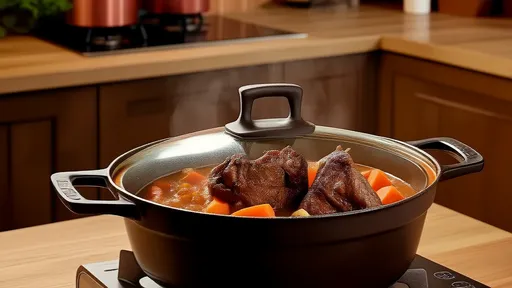
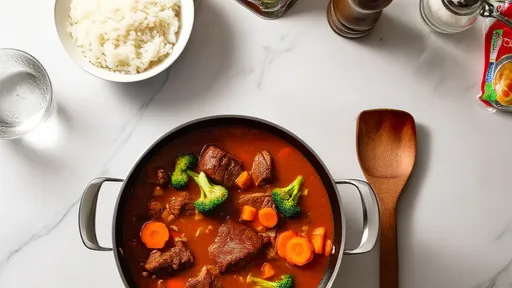
Practicality must not be overlooked. While it’s tempting to plan an elaborate menu, consider the preparation involved and the resources available. How much time will you have to cook? What kitchen equipment is needed? Can some elements be prepared ahead of time? Dishes that can be partially or fully made in advance reduce stress on the day of the event, allowing you to enjoy the company of your family rather than being stuck in the kitchen. One-pot meals, slow-cooker dishes, or casseroles that reheat well are excellent choices for minimizing last-minute tasks.
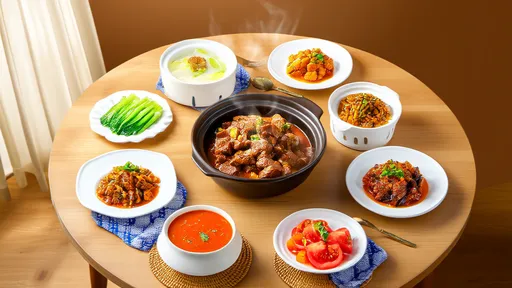
Presentation, though sometimes underestimated, significantly enhances the dining experience. We eat with our eyes first, and a beautifully arranged table with thoughtfully presented food makes the meal feel more special. This doesn’t require fancy techniques—simple touches like a sprinkle of fresh herbs, a drizzle of sauce, or colorful garnishes can elevate humble dishes. Serving platters and bowls that complement the food also contribute to the overall aesthetic. Remember, the goal is to create an inviting atmosphere that encourages conversation and connection.
Lastly, don’t forget the drinks. Beverage pairing is not just for formal dinners; even casual family meals benefit from well-chosen drinks. Offer a range of options, including non-alcoholic choices like infused water, homemade lemonade, or sparkling juices. If alcohol is served, consider selections that match the menu—a light white wine with poultry or fish, a robust red with red meat, or a festive cocktail for celebration. Providing self-serve drink stations can keep guests refreshed without constant hosting intervention.
In the end, the most successful family gadering menus are those that reflect the cook’s personality and the family’s unique dynamics. They are built on a foundation of care and attention to detail, designed not just to feed but to nurture and bring people together. While principles and techniques provide a useful framework, the true magic lies in the love and effort poured into every dish. So, as you plan your next family meal, let these guidelines inspire you, but always cook from the heart—because that’s what transforms a menu into a memory.
By /Aug 20, 2025
By /Aug 20, 2025
By /Aug 20, 2025
By /Aug 20, 2025
By /Aug 20, 2025

By /Aug 20, 2025
By /Aug 20, 2025

By /Aug 20, 2025
By /Aug 20, 2025
By /Aug 20, 2025

By /Aug 20, 2025
By /Aug 20, 2025
By /Aug 20, 2025

By /Aug 20, 2025
By /Aug 20, 2025
By /Aug 20, 2025

By /Aug 20, 2025
By /Aug 20, 2025
By /Aug 20, 2025

By /Aug 20, 2025
