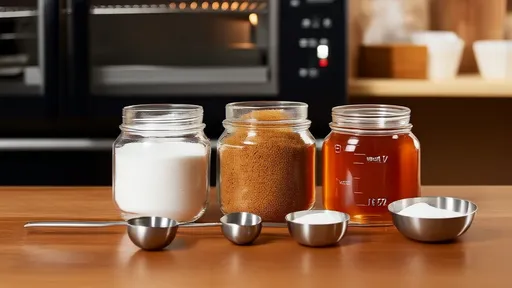
In the world of baking, sugar is far more than just a sweetener. It plays multiple roles from providing structure and texture to contributing to browning and moisture retention. While granulated sugar is the standard in most recipes, many bakers explore alternatives like brown sugar or honey for flavor variations, dietary preferences, or simply what’s available in the pantry. However, substituting one type of sugar for another isn’t always a straightforward one-to-one swap. Each sweetener brings its own chemical properties and moisture content, which can significantly alter the outcome of your baked goods. Understanding these differences is key to successful substitutions.
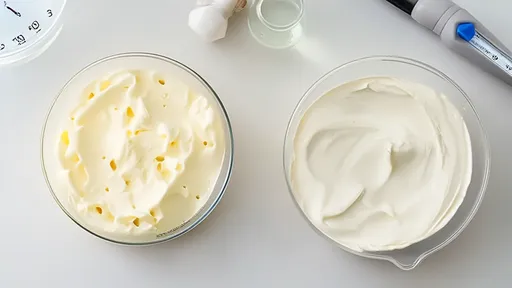
Granulated sugar, often referred to as white sugar, is the most commonly used sweetener in baking. Its fine crystals dissolve easily, making it ideal for creating light and airy textures in cakes and cookies. It also aids in creaming with butter to incorporate air, which helps leaven baked goods. When you cream butter and sugar together, you’re not just mixing; you’re creating tiny air pockets that expand during baking, resulting in a tender crumb. Additionally, granulated sugar contributes to browning through caramelization and the Maillard reaction, giving cookies and cakes their appealing golden color.
Brown sugar, which is essentially granulated sugar with molasses added, introduces more complexity. The molasses content not only provides its characteristic color and rich, caramel-like flavor but also adds moisture. This extra moisture can make baked goods softer and chewier, which is why brown sugar is a favorite in chocolate chip cookies and gingerbread. However, this moisture can also make batters wetter, potentially affecting spread and texture. When substituting brown sugar for granulated sugar, it’s generally acceptable to use a 1:1 ratio by volume, but keep in mind that the added moisture might require slight adjustments in other liquid ingredients or baking time.
Honey, a natural liquid sweetener, is another popular substitute, especially among health-conscious bakers. It is sweeter than granulated sugar, so you typically need less of it to achieve the same level of sweetness. A common starting point is to use about half to two-thirds cup of honey for every cup of sugar. However, honey’s high fructose content and acidity can cause baked goods to brown more quickly, so reducing the oven temperature by about 25 degrees Fahrenheit is often recommended to prevent over-browning. Moreover, honey adds significant moisture, which can make cakes denser and moister but might require reducing other liquids in the recipe by roughly a quarter cup per cup of honey used.
Beyond sweetness and moisture, each sugar alternative impacts the structure and shelf life of baked goods. Granulated sugar, being dry, helps create structure by interacting with proteins and starches during baking. Brown sugar, with its moistness, can lead to a softer, more tender product but may also make items stale faster due to the hygroscopic nature of molasses. Honey, being even more hygroscopic, can help retain moisture and extend freshness, but it might also make some baked goods overly moist or sticky if not balanced properly. These structural changes mean that substitutions can affect not just taste but also the very integrity of your cake, cookie, or bread.
Flavor profile is another critical consideration. While granulated sugar is relatively neutral, brown sugar imparts a deep, molasses-like taste that can enhance spices like cinnamon and nutmeg, making it ideal for autumn desserts or rich, dark cakes. Honey brings its own distinct flavor, which can range from floral and light to robust and earthy, depending on the source. This flavor can complement certain recipes, such as whole-grain breads or pastries with nuts and fruits, but might clash with more delicate flavors like vanilla or lemon. Therefore, when substituting, think about how the alternative sugar’s flavor will marry with the other ingredients in your recipe.
In terms of chemical reactions, sugars play a role in fermentation, caramelization, and stabilization. In recipes involving yeast, such as bread, sugars are food for the yeast, affecting rise and fermentation time. Honey can accelerate yeast activity due to its simple sugar content, whereas brown sugar might slow it slightly because of the molasses. During baking, granulated sugar promotes caramelization at higher temperatures, while honey, with its higher fructose content, caramelizes at lower temperatures, leading to faster browning. This is why honey-sweetened items often have a darker crust and might require temperature adjustments to avoid burning.
When substituting sugars in recipes that rely on precise chemical balance, like meringues or candies, extra caution is needed. Granulated sugar’s dry crystals are crucial for creating stable meringue peaks, whereas brown sugar’s moisture can prevent proper aeration, leading to flat or dense results. Honey, being liquid, is generally unsuitable for meringues but can work in some syrups or caramels, though it may alter the texture and cooking temperature. For candy-making, where sugar crystallization is key, substitutes can disrupt the process, resulting in grainy or overly soft confections.
Practical tips for successful substitutions include starting with trusted recipes designed for the alternative sugar or making small batches to test adjustments. When using honey or brown sugar, consider reducing baking soda or baking powder slightly, as their acidity can affect leavening. For every cup of honey, reducing the baking soda by about 1/8 teaspoon can help balance pH. Similarly, if a recipe calls for baking powder and you’re using acidic honey, you might need to add a pinch of baking soda to neutralize the acid and ensure proper rise. Always mix liquids thoroughly to distribute the sweetener evenly, especially with viscous options like honey.
In conclusion, while substituting sugars in baking opens up a world of flavor and texture possibilities, it requires an understanding of each sweetener’s properties. Granulated sugar offers neutrality and structure, brown sugar adds moisture and depth, and honey brings intense sweetness and moisture with distinct flavors. By adjusting ratios, temperatures, and other ingredients, you can harness these qualities to create delicious baked goods tailored to your preferences. Remember, baking is as much science as art, and a thoughtful approach to substitutions will yield the best results.
By /Aug 20, 2025
By /Aug 20, 2025
By /Aug 20, 2025
By /Aug 20, 2025

By /Aug 20, 2025
By /Aug 20, 2025

By /Aug 20, 2025
By /Aug 20, 2025

By /Aug 20, 2025
By /Aug 20, 2025
By /Aug 20, 2025
By /Aug 20, 2025
By /Aug 20, 2025
By /Aug 20, 2025
By /Aug 20, 2025
By /Aug 20, 2025
By /Aug 20, 2025
By /Aug 20, 2025
By /Aug 20, 2025
By /Aug 20, 2025
